China's Cities are Sinking
Satellite data reveals alarming land subsidence across Chinese cities, with 45% of urban areas sinking and 270 million people at risk.
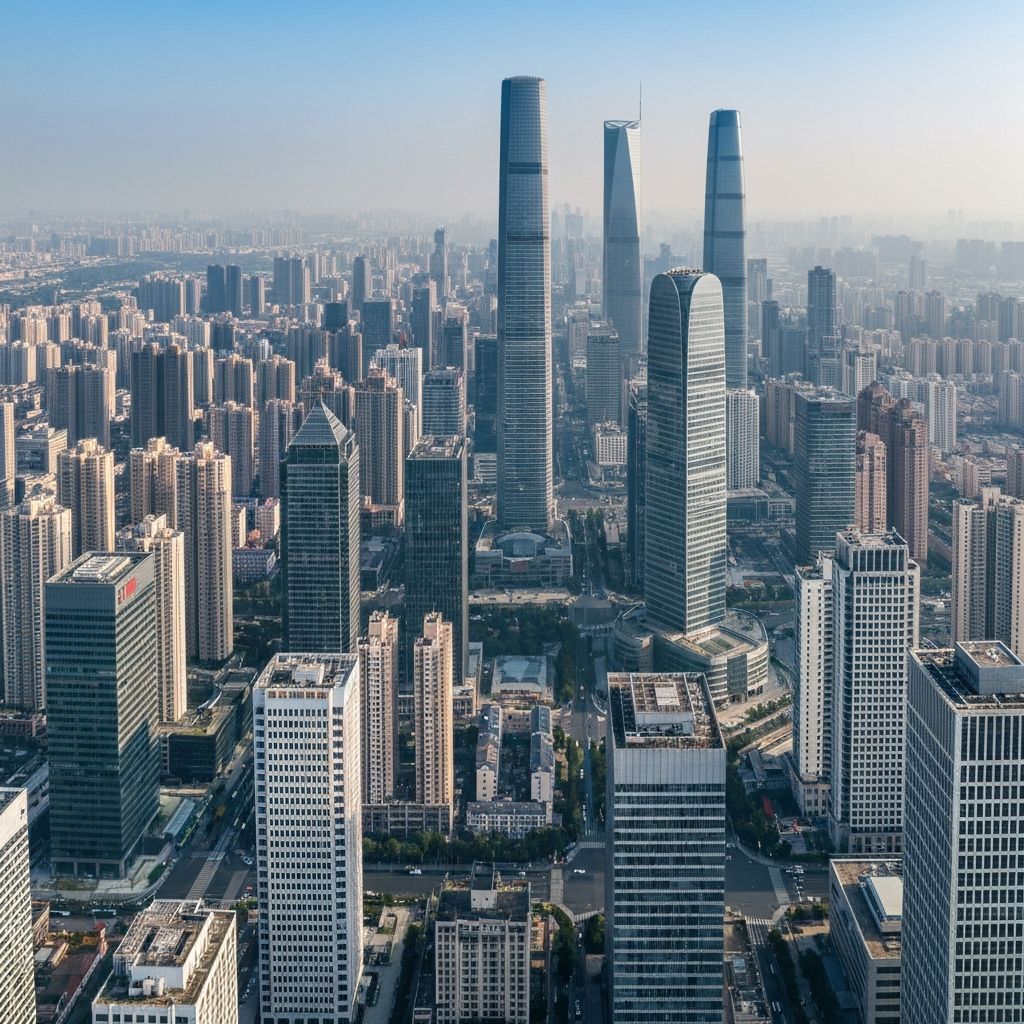
Satellite technologies can now measure land subsidence, and a staggering condition has been revealed in China upon data analysis. Examining 82 cities with 700 million people, the journal showed that 45% percent of urban areas were sinking. In fact, 16% of those areas had sunk more than 10 millimeters in just a year.
Although predicting future subsidence requires factoring in human involvement and climate change, about 270 million people are estimated to be affected in China. The most critical cities to be wary of include Beijing and Tianjin. Shanghai has subsided by up to 3 meters in the last century, and this rate is likely to increase as climate change causes sea levels to rise.
Land subsidence's main cause is groundwater withdrawal paired with the heavy weight of buildings. Osaka and Tokyo have stopped groundwater withdrawal, but how will we acquire freshwater if these changes are made on a large scale? What will the consequences of those switches be on the environment and our way of living? Methods on how to use this satellite data needs to be developed.
At the grassroots level, conserving water in our homes by using water efficient appliances and turning off the faucet could make a small but powerful impact if everyone adopts these habits. Over time, demand for groundwater could decrease.