
Culture
Music as a Tool for Climate Communication
A medical orchestra in North Carolina used research on local opinion to design a concert that connected climate science to health and gave people practical ways to act.
4 min read
Exploring environmental science, sustainability, and our relationship with the natural world through research-backed insights from a youth perspective.
A medical orchestra in North Carolina used research on local opinion to design a concert that connected climate science to health and gave people practical ways to act.

Using CRISPR, researchers made a common mycoprotein fungus 44% more efficient at converting sugar into protein, with up to 60% lower emissions than conventional production.
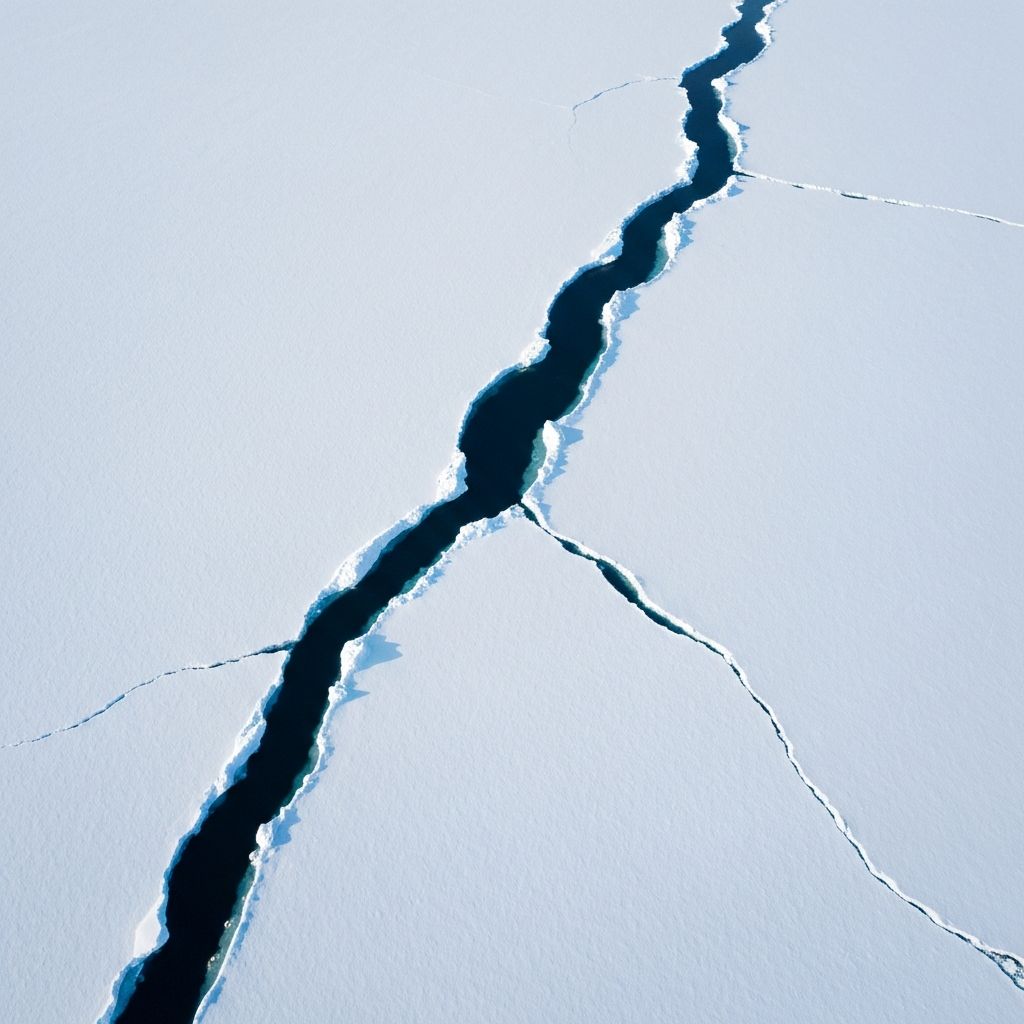
What happens at the top of the world is no longer just a response to rising temperatures. It is increasingly shaping how heat, clouds, and chemistry interact across the climate system.
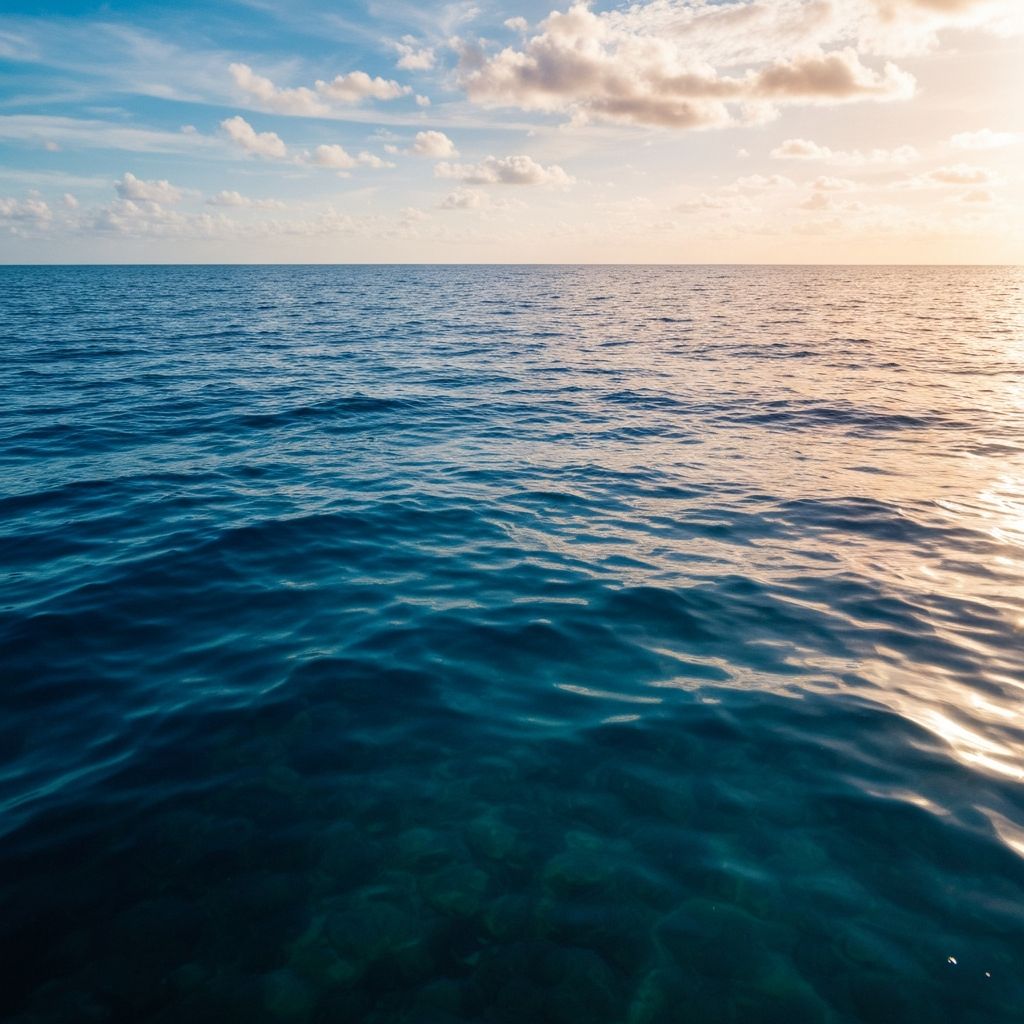
In 2025, the ocean absorbed more heat than ever before. That might sound abstract, but it is one of the most serious climate signals we have.
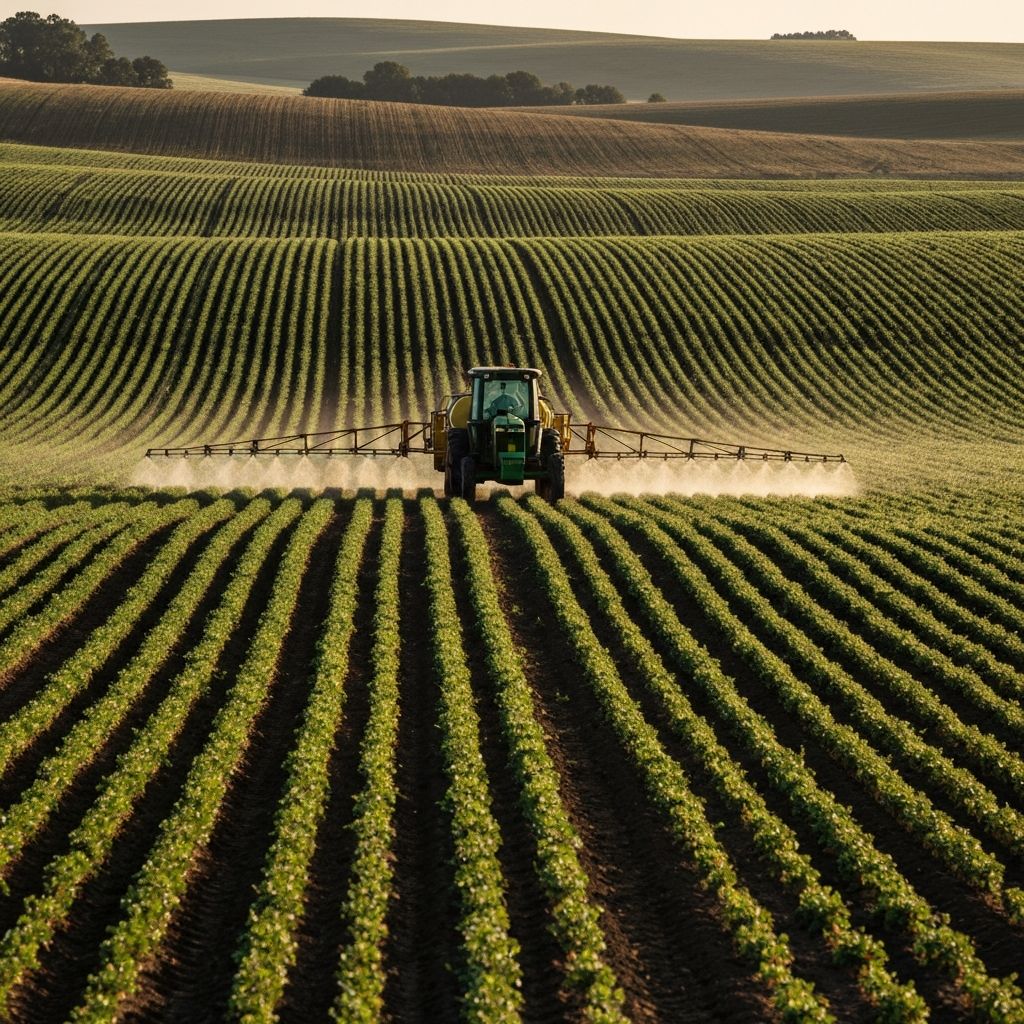
The glyphosate debate reveals deeper problems in how scientific risk, regulation, and public trust interact when expert institutions disagree.

With Environmental Anxiety, RAYE pulls something heavy and uncomfortable into mainstream pop, a space that normally avoids it, and validates the stress that many young people carry quietly.
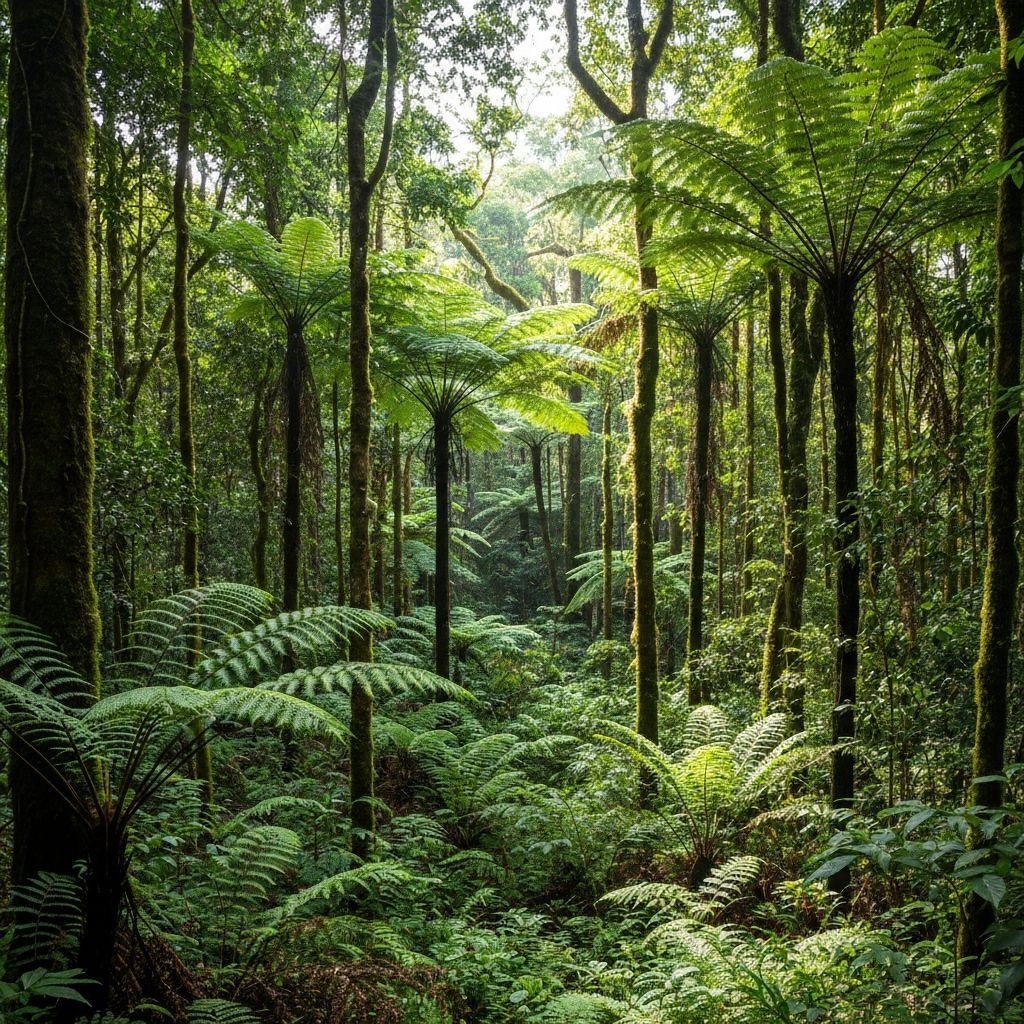
When species disappear, it changes how food systems work, how water is cleaned, how diseases spread, and how resilient our world is to stress.
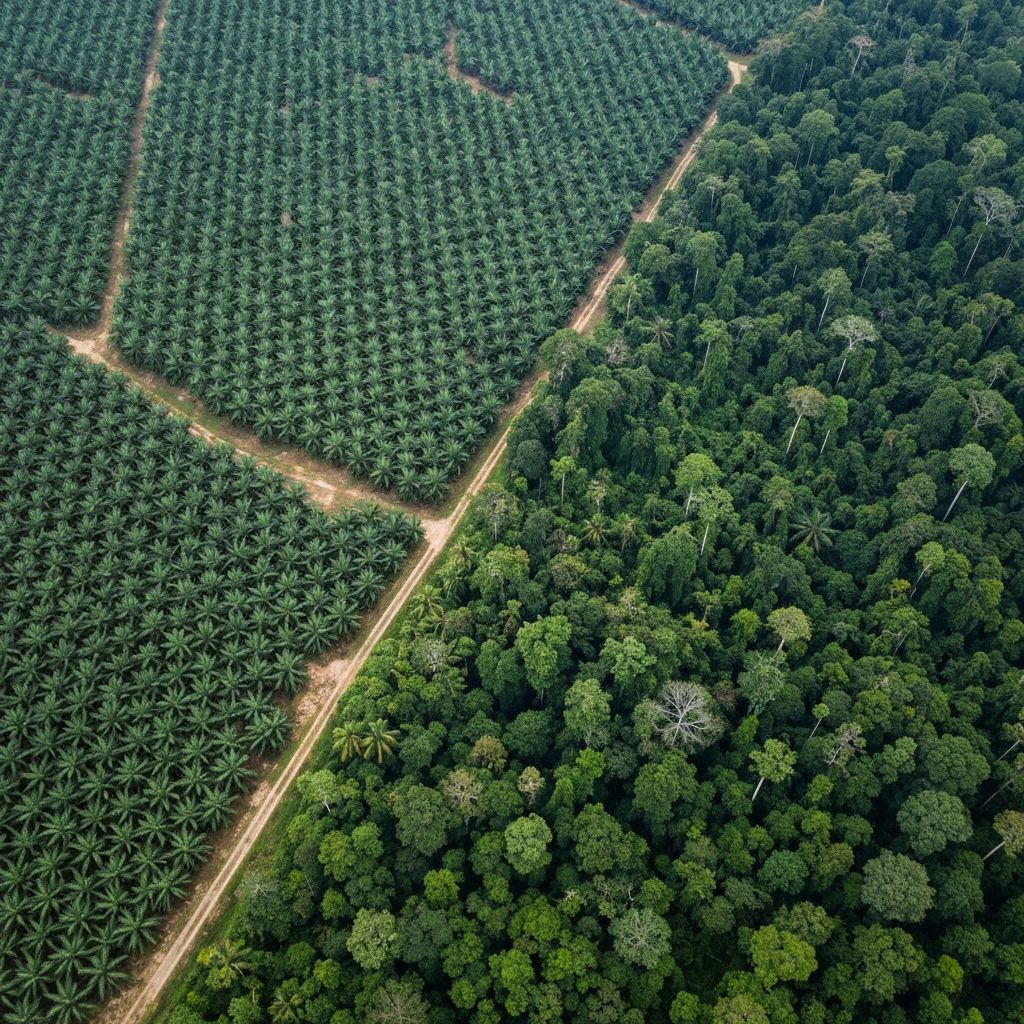
Palm oil is in nearly everything we use, but its production has destroyed vast rainforests and pushed species like orangutans toward extinction.
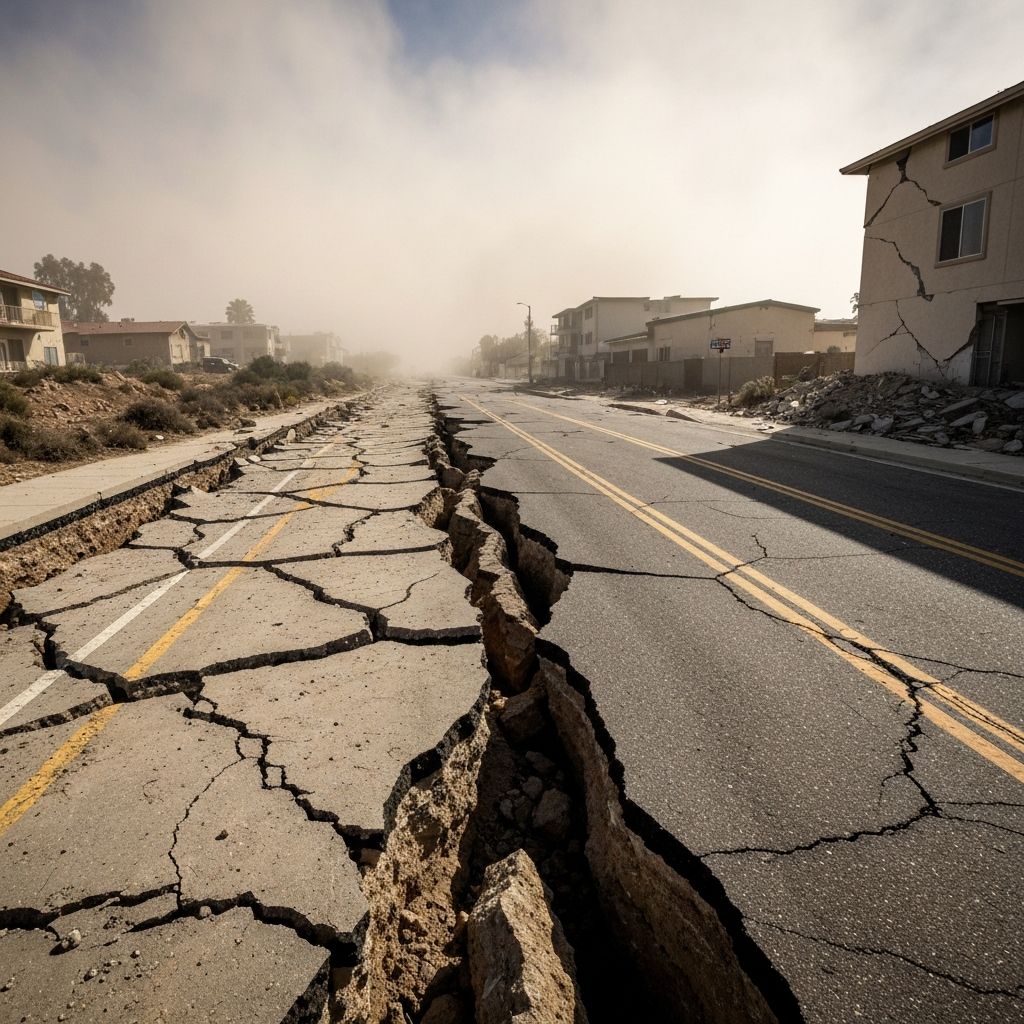
New research suggests that a massive Cascadia earthquake could potentially trigger a second major quake on the San Andreas Fault, creating a dangerous seismic chain reaction.
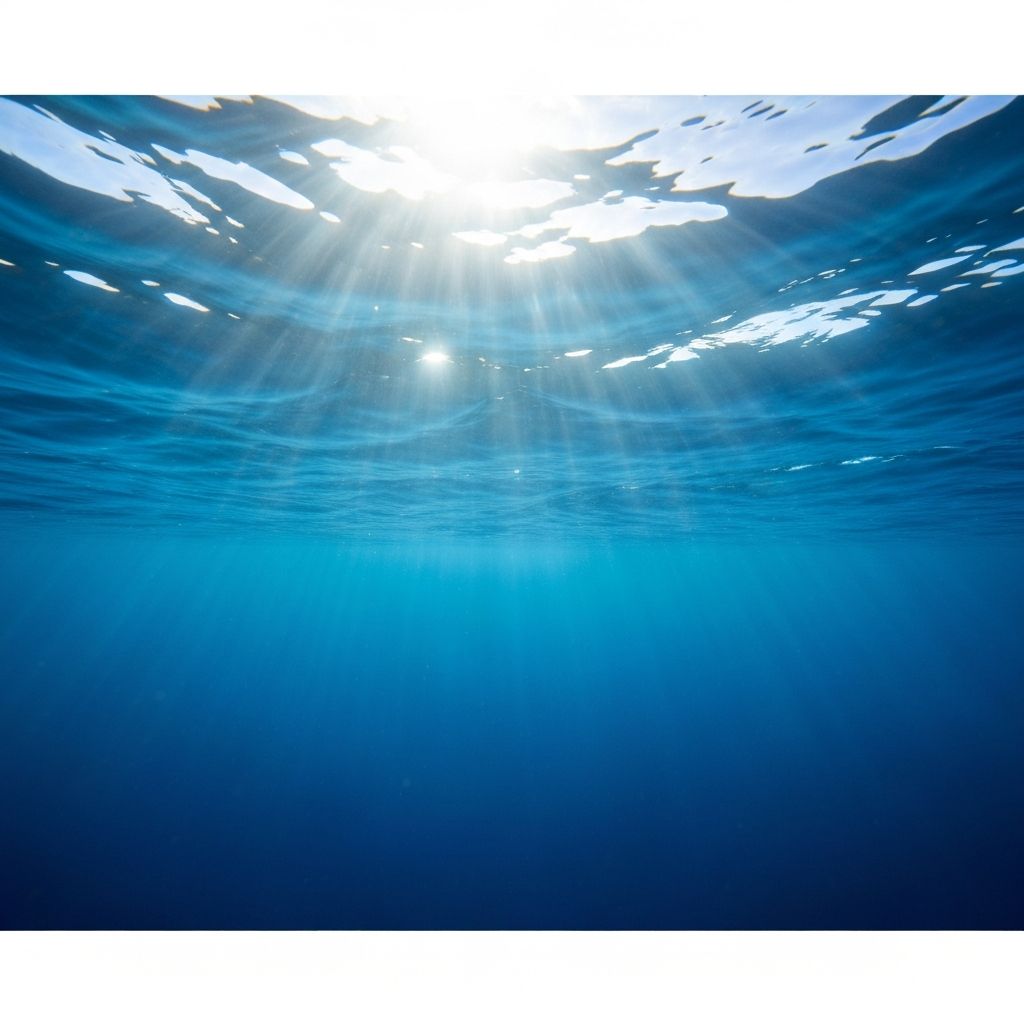
New research on 16-million-year-old fossils reveals that ocean oxygen levels do not simply track temperature, challenging assumptions about how warming will affect marine life.
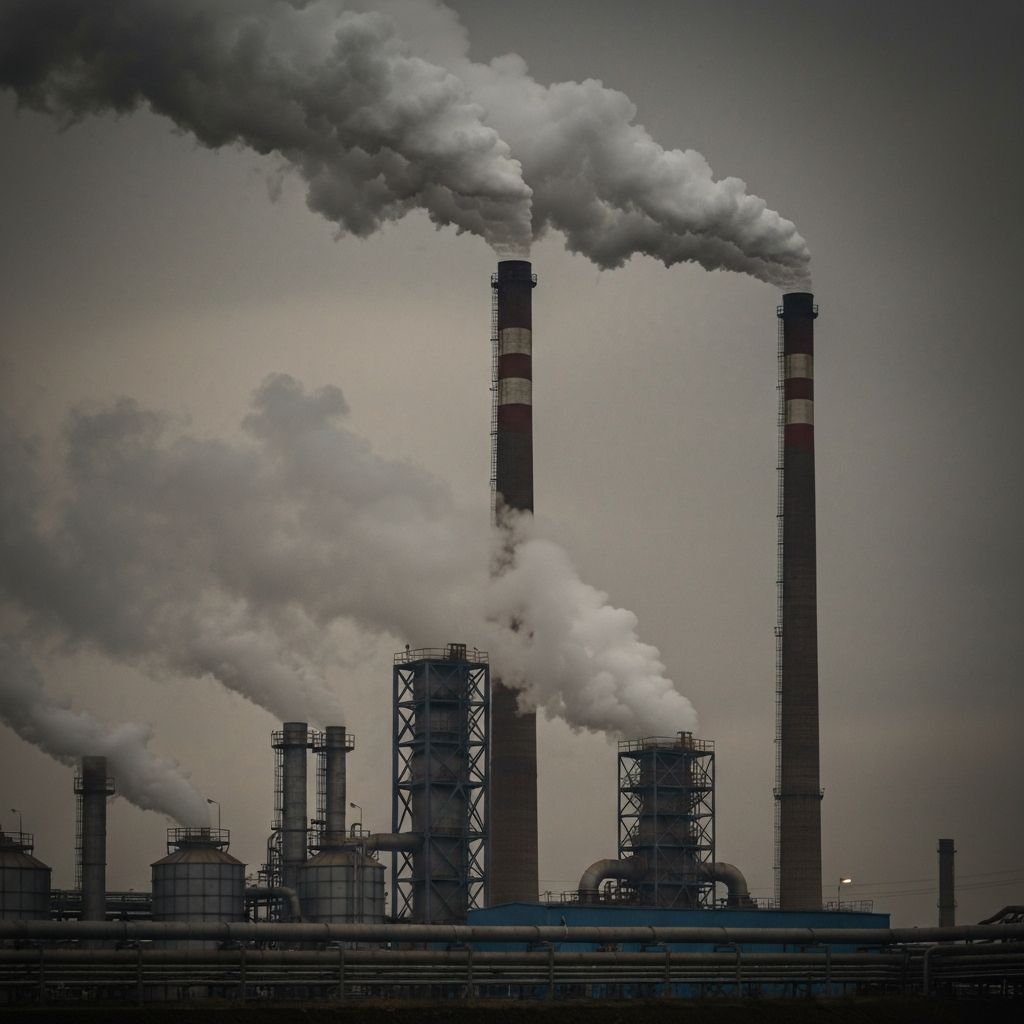
Scientists have developed a device that can capture carbon dioxide directly from exhaust and convert it into formic acid in a single step, even at low CO2 concentrations.
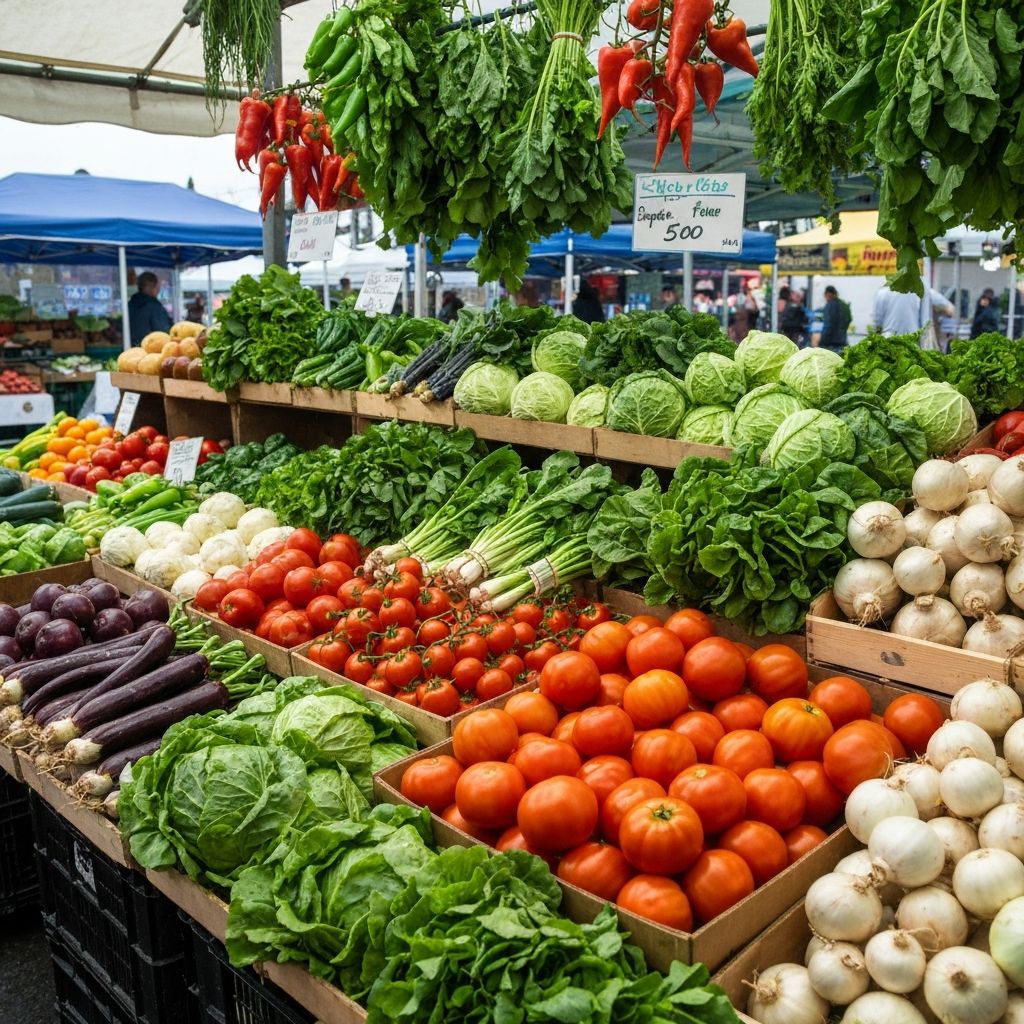
New research shows that nearly half of the global population exceeds their personal food emissions budget, with beef alone accounting for 43 percent of food related emissions in countries like Canada.

A Philadelphia study found that transforming vacant lots into green spaces reduced depression by over 40 percent for nearby residents, with the strongest effects in lower income neighborhoods.
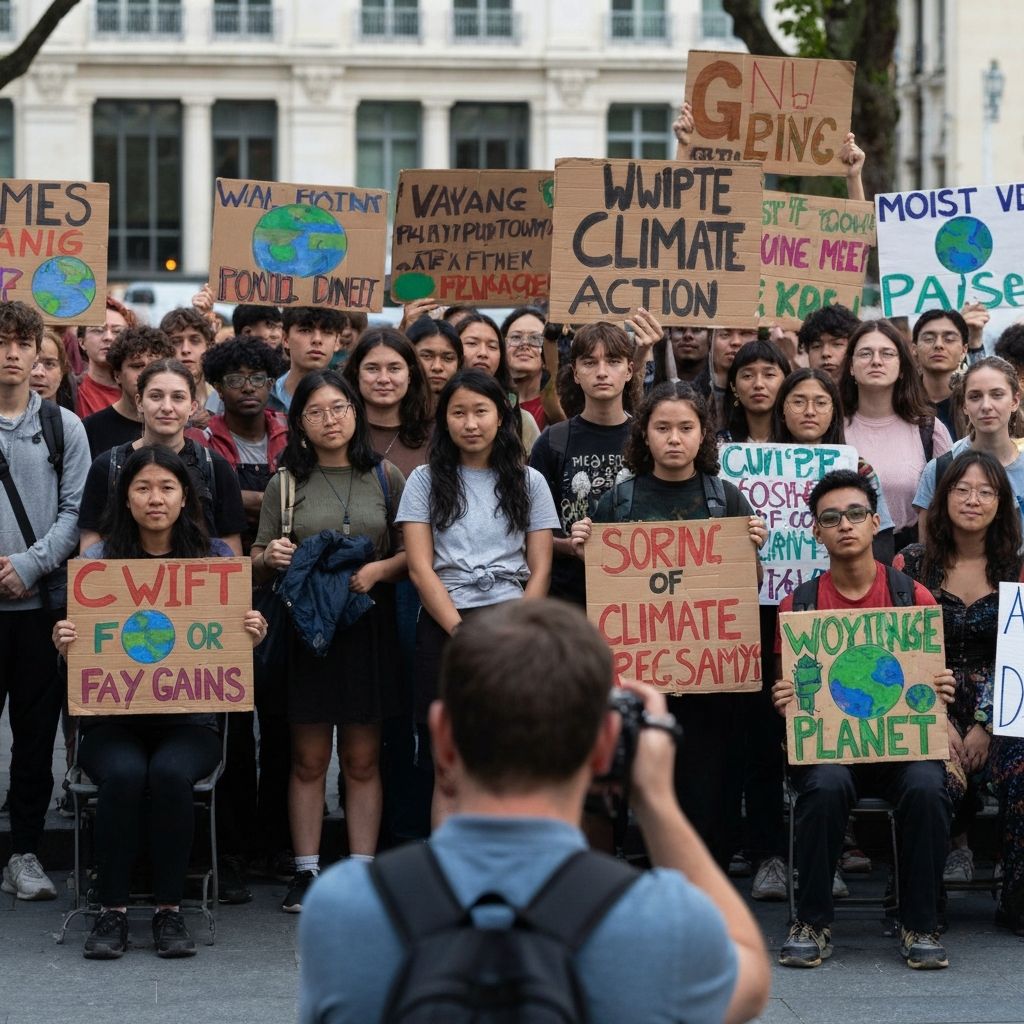
New research shows that climate anxiety is widespread among Gen Z and is already influencing mental health and life decisions in measurable ways.
Coccolithophores are single-celled algae smaller than a grain of dust, yet they play a massive role in regulating carbon, oxygen, and long-term climate stability.
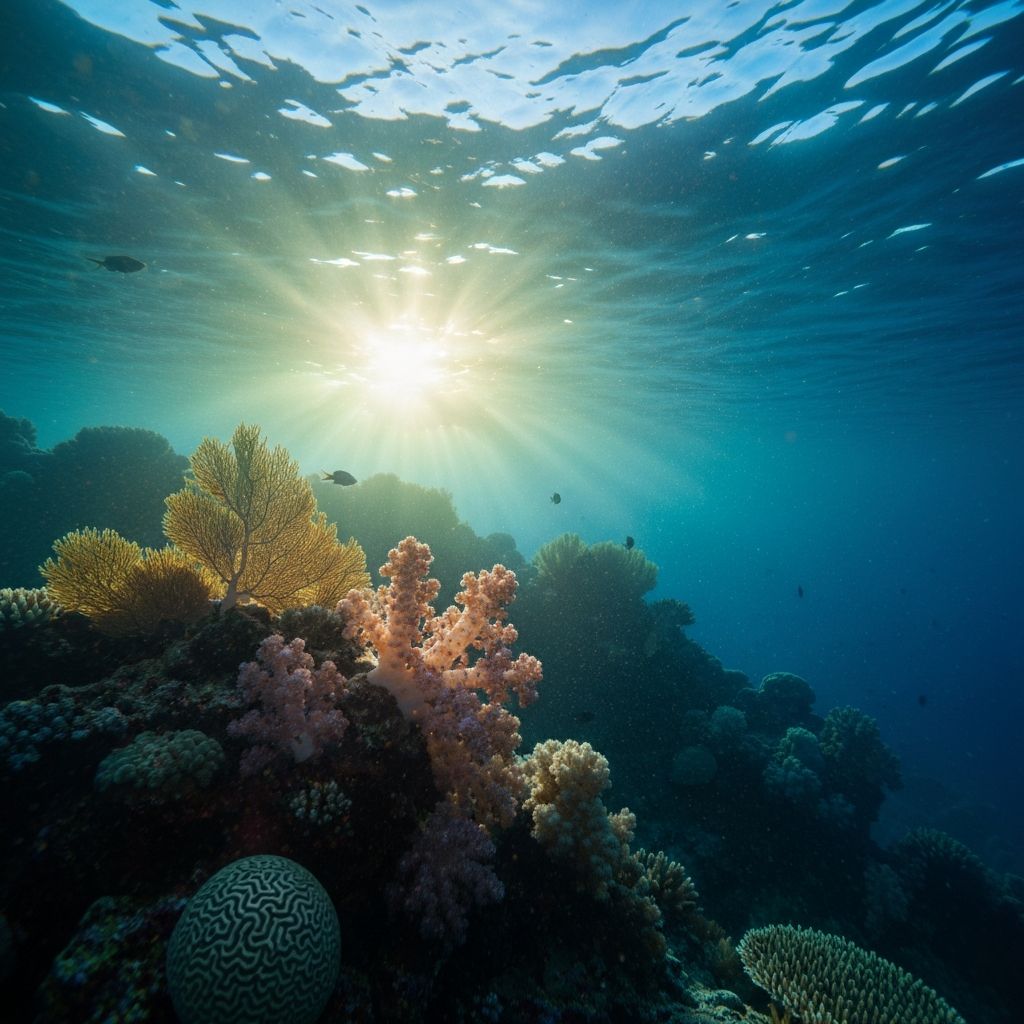
New research reveals that coral reefs actively shape the microscopic world around them, creating daily rhythms in microbial populations that rise and fall with the sun.

New research shows that in polluted areas, the protective effects of exercise are significantly reduced, making clean air essential for unlocking the full health benefits of physical activity.
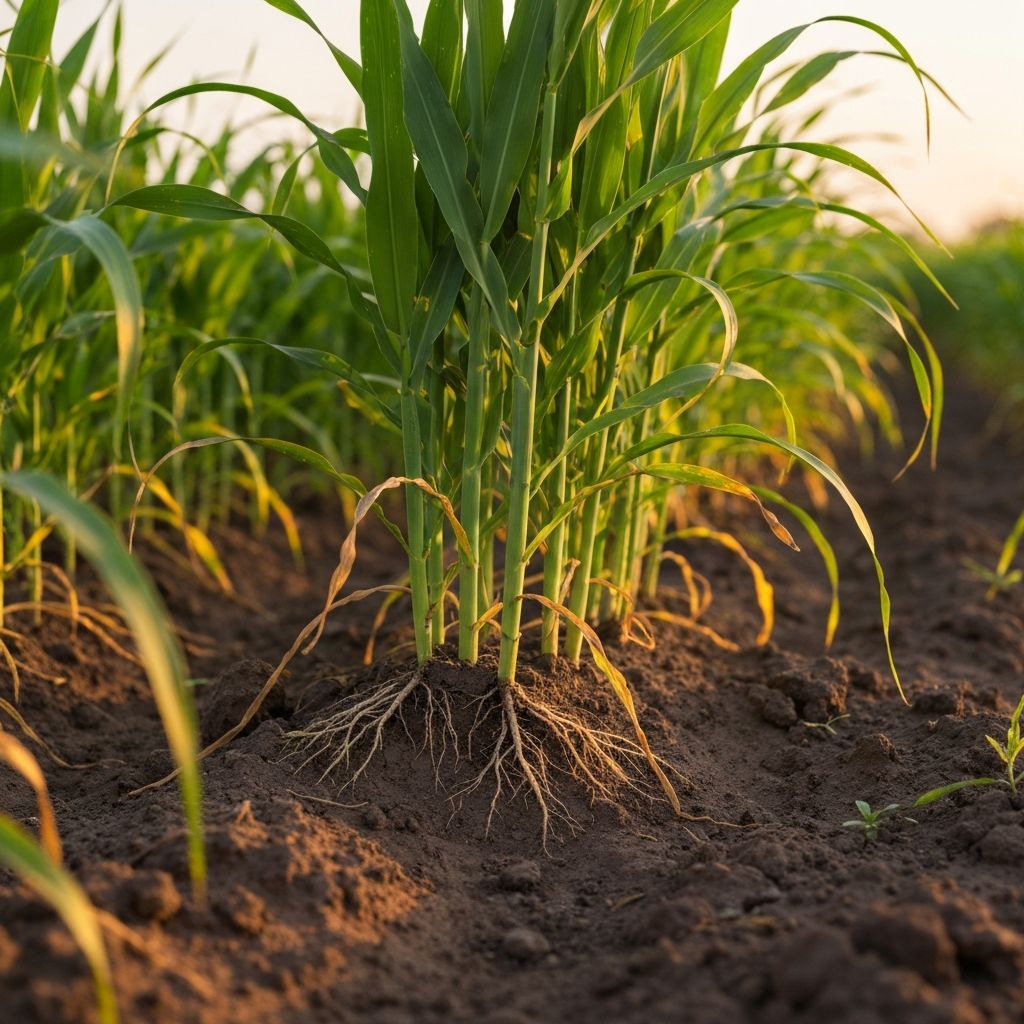
New research from Senegal shows that improving soil nutrients can reduce locust damage while doubling crop yields, offering a sustainable alternative to pesticides.
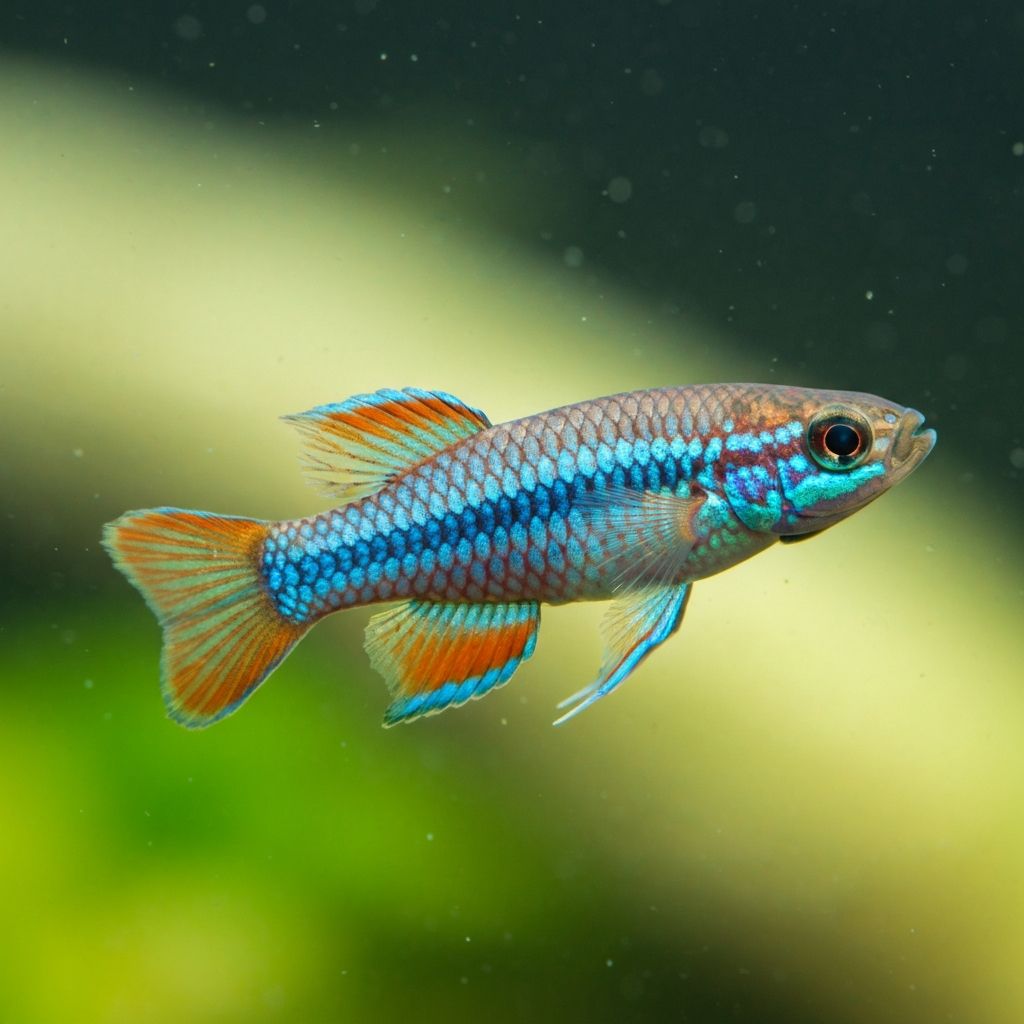
The African turquoise killifish, which lives only a few months, is giving scientists a powerful new way to study organ aging and test drugs that could slow kidney decline.
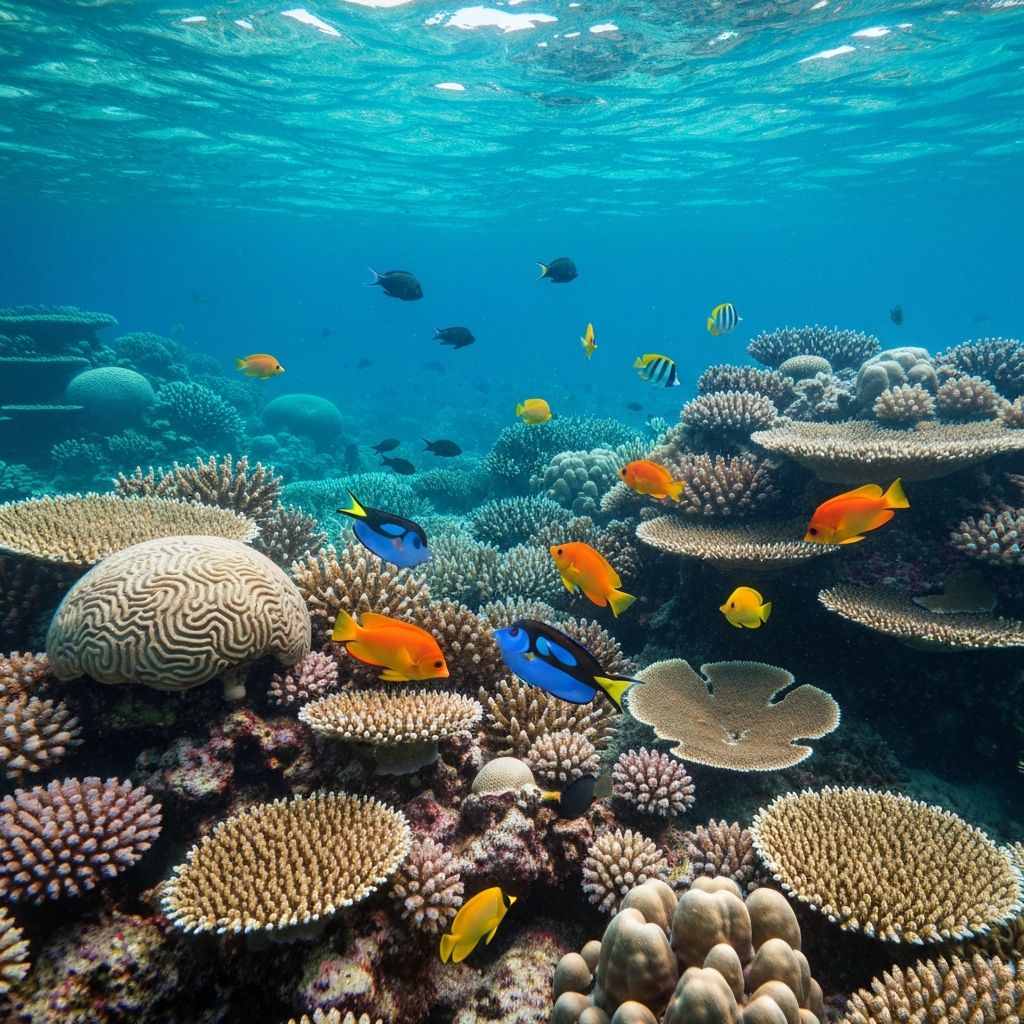
Overfished coral reefs are producing far less food than they could. Letting reef fish populations recover could boost sustainable fish yields by nearly 50%, creating millions of extra meals each year.
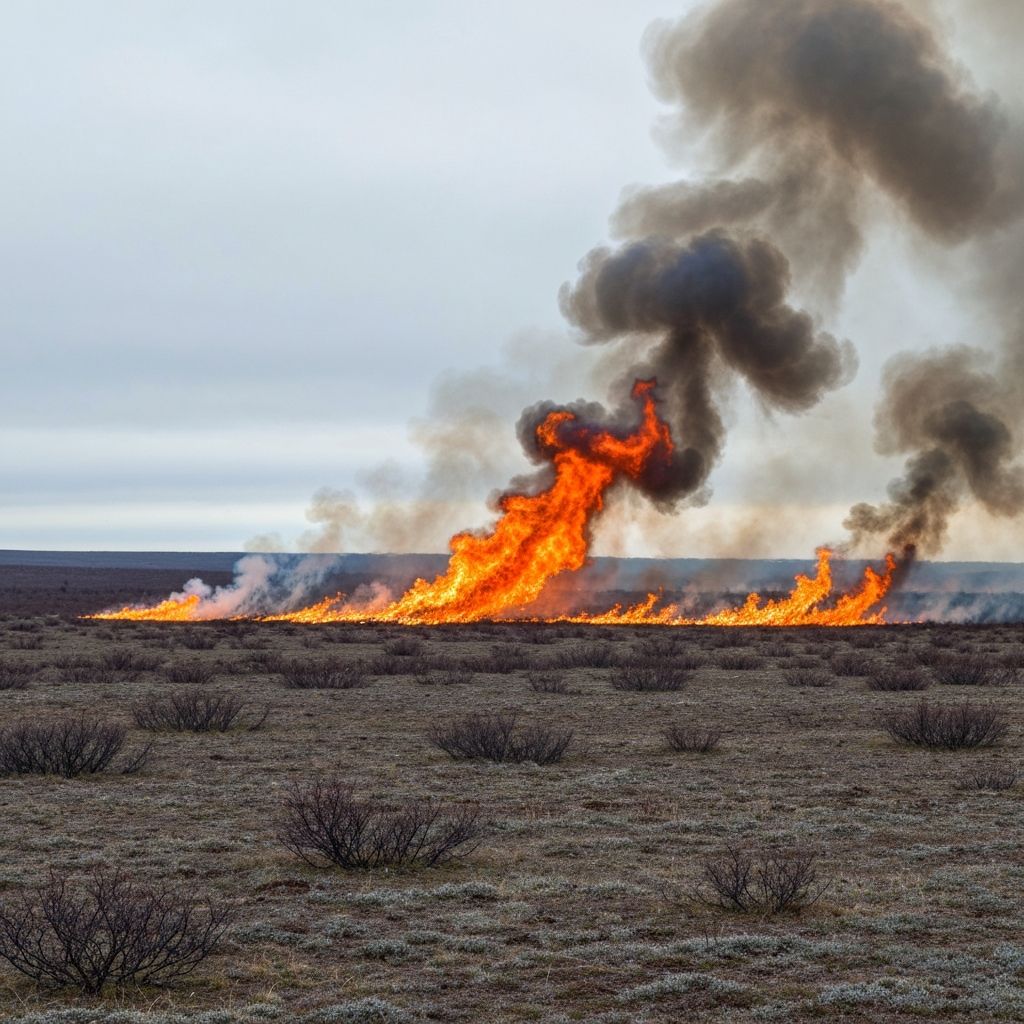
New research shows that parts of northern Alaska are experiencing wildfire activity at levels not seen for thousands of years, signaling a major shift in Arctic ecosystems.
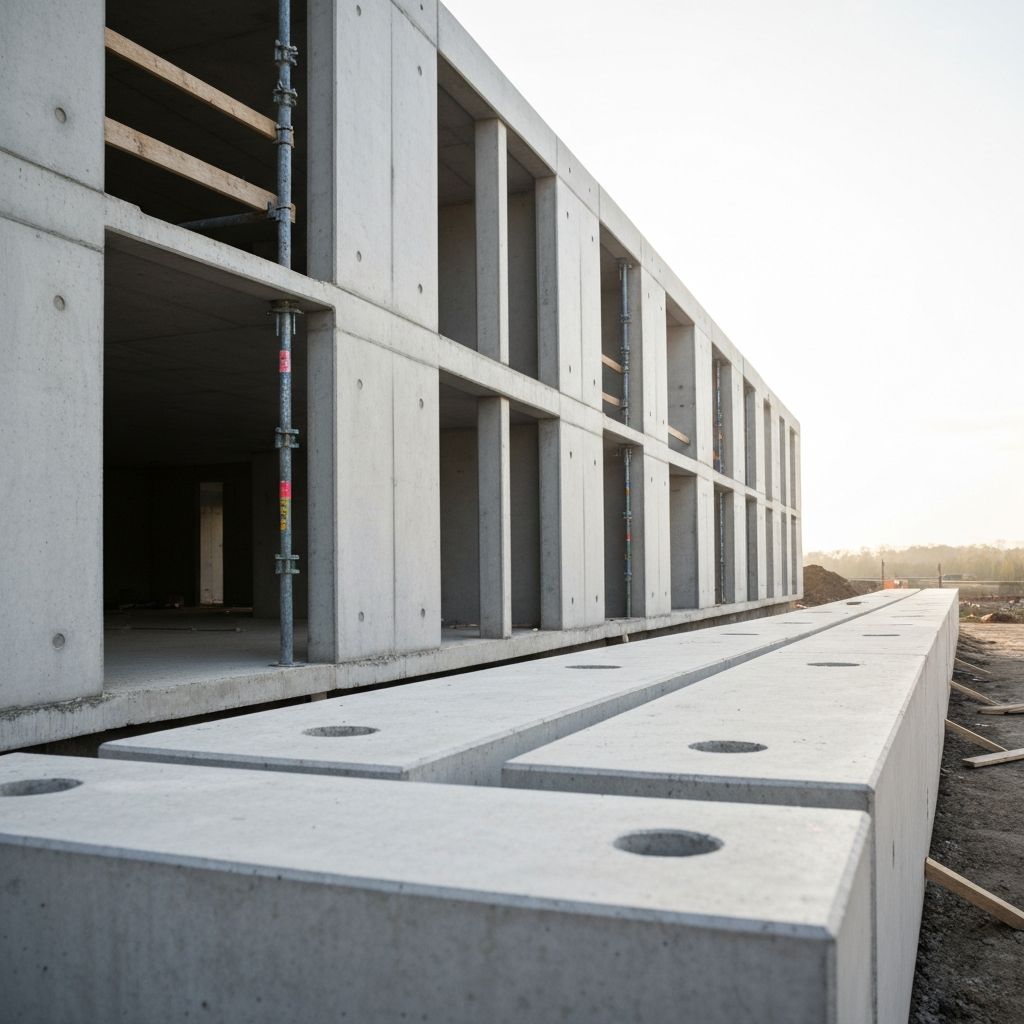
Researchers have developed an enzymatic structural material that captures CO2 instead of releasing it, offering a carbon-negative alternative to traditional concrete.

Research shows that exposure to green and blue spaces improves attention, lowers stress, and supports emotional well-being, even in short doses.
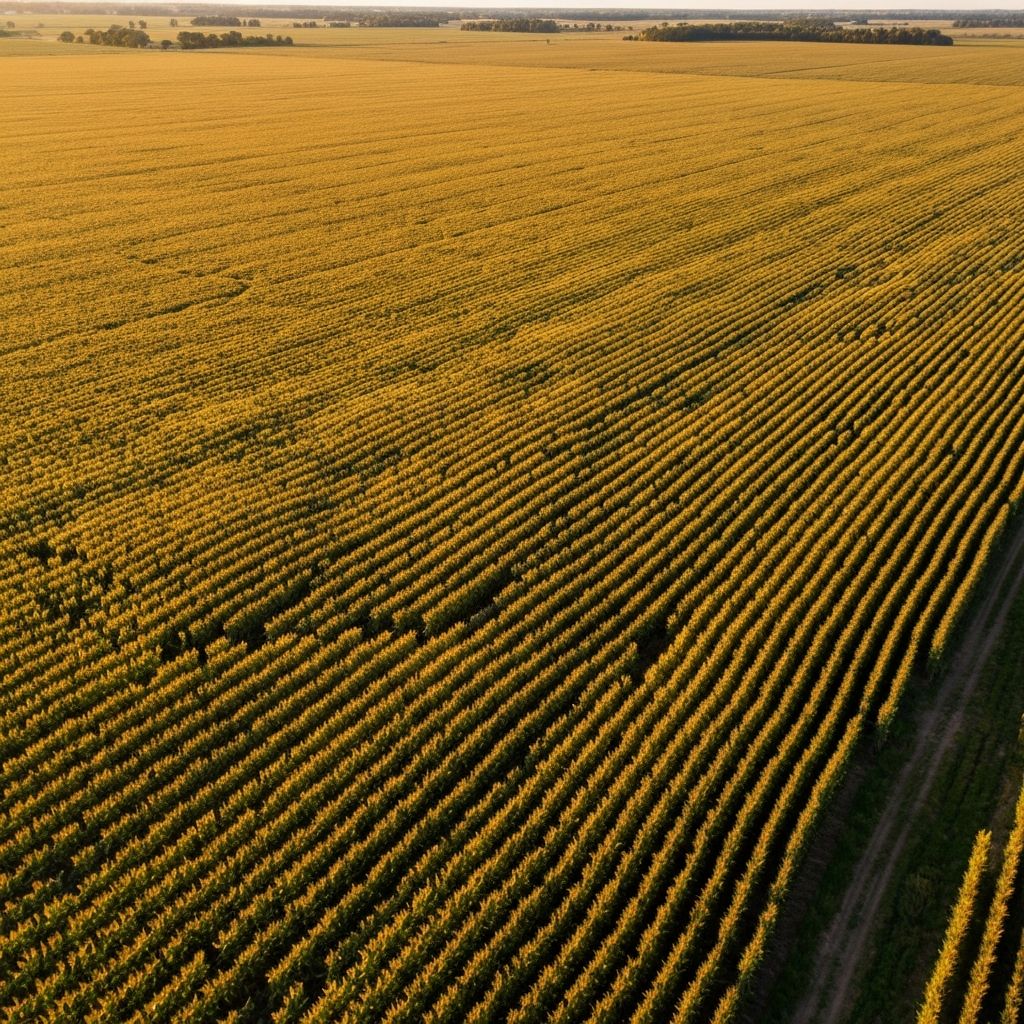
Less than 2% of U.S. corn is eaten by people. The rest fuels a system of feedlots and ethanol production that prioritizes scale over sustainability.
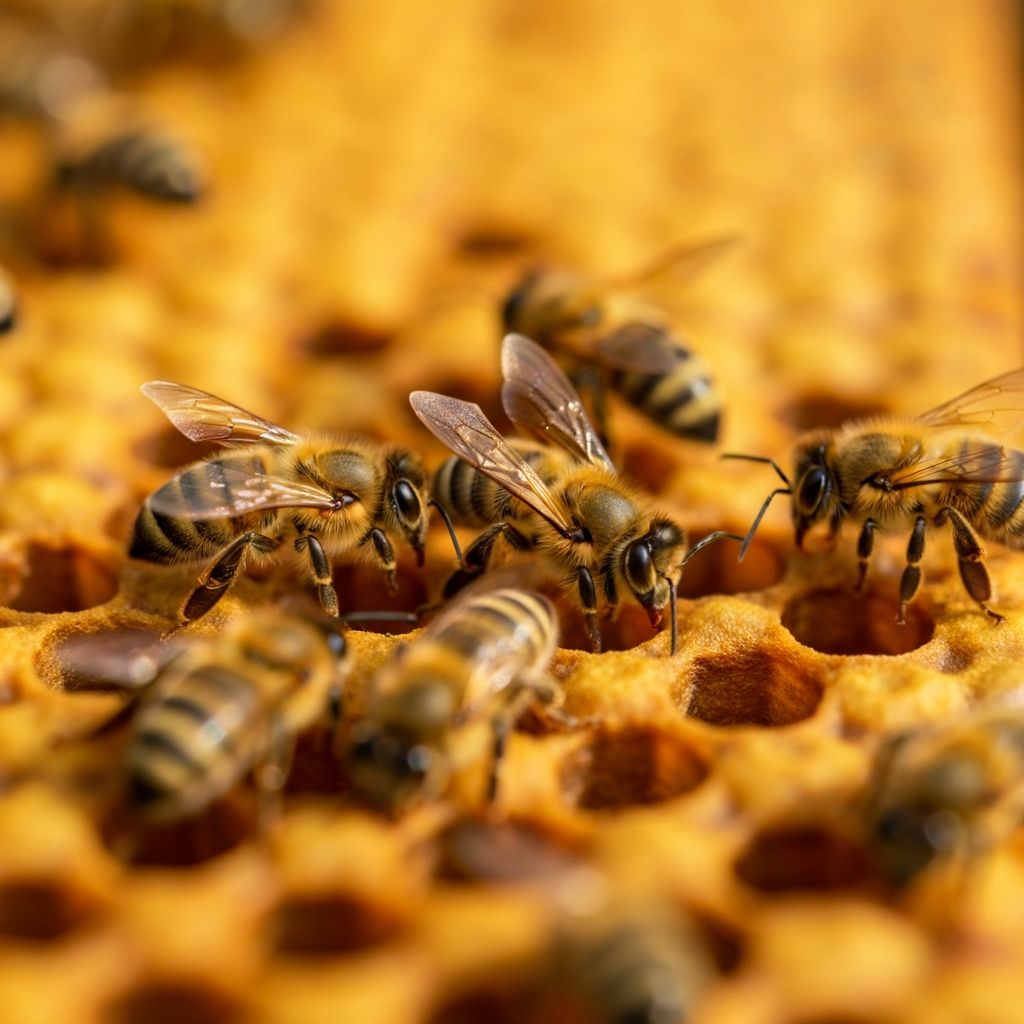
New research shows that extreme heat can overwhelm honey bees' ability to regulate hive temperature, threatening colonies and the pollination services we depend on.
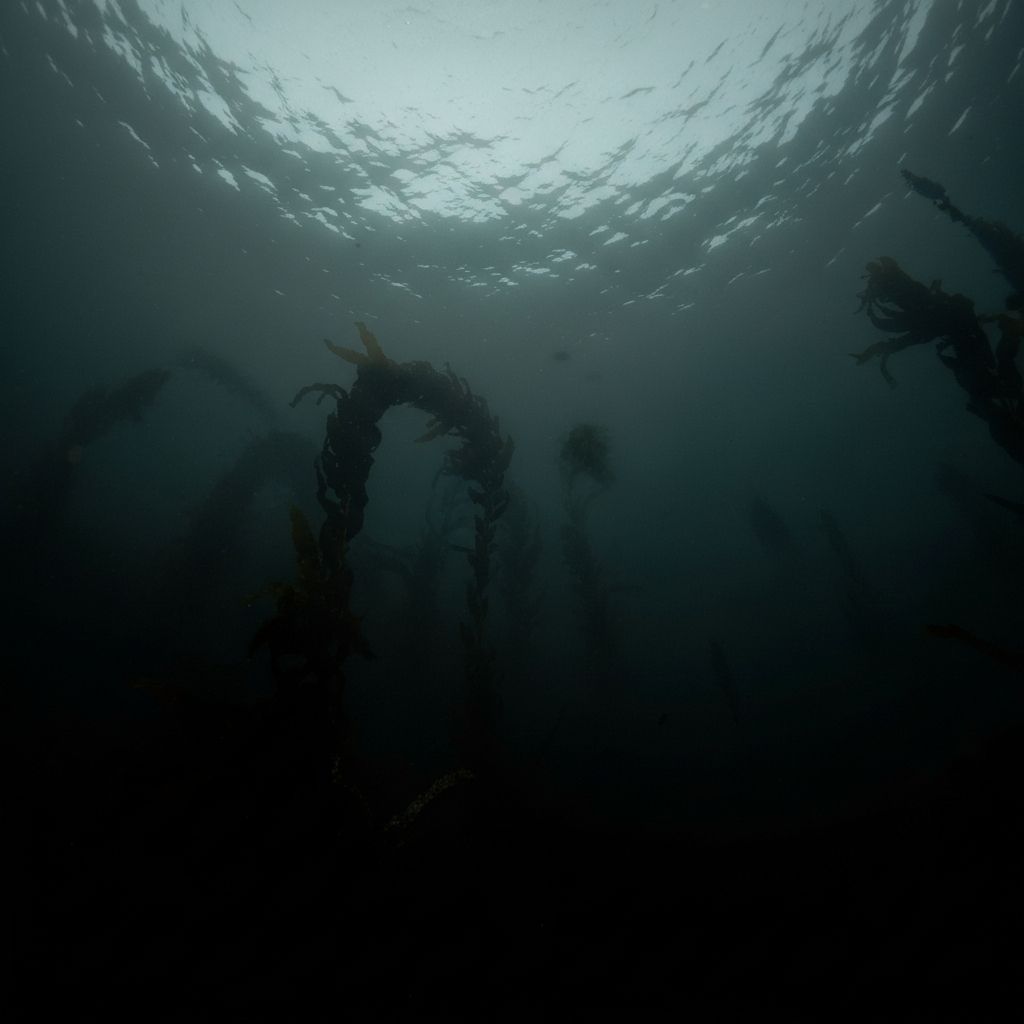
New research reveals that entire coastal seafloors can suddenly be plunged into darkness for days or months, threatening kelp forests, seagrass meadows, and coastal ecosystems.
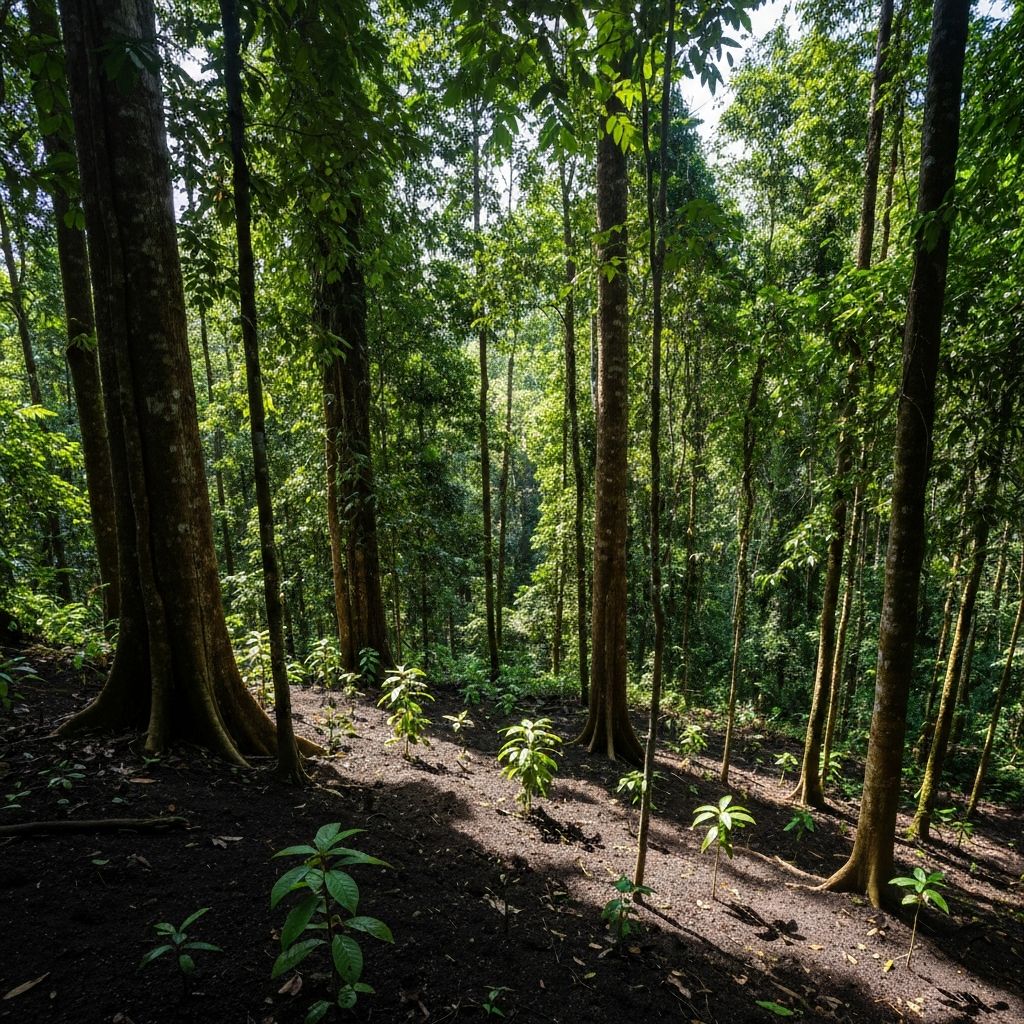
New research shows that nitrogen levels in soil can dramatically affect how quickly tropical forests recover after deforestation, with implications for carbon sequestration.
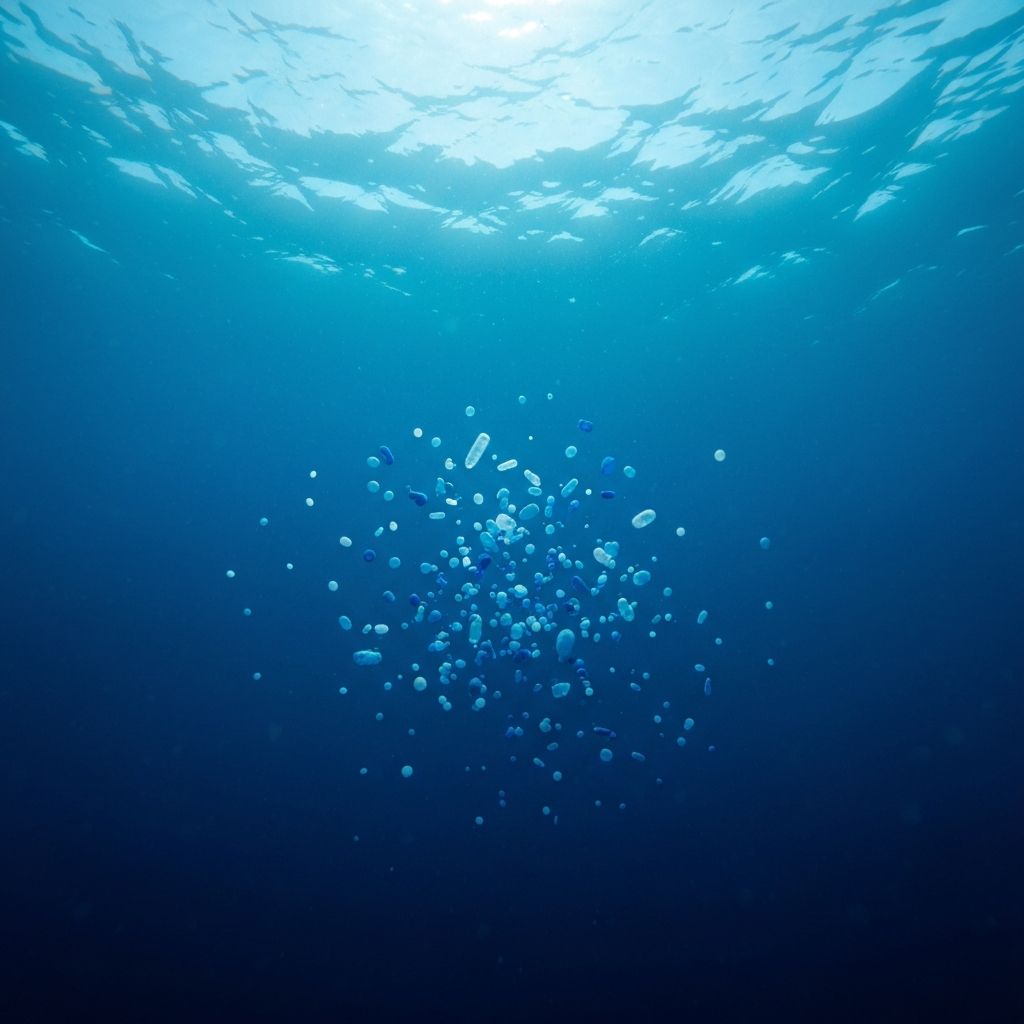
How tiny plastic particles circulating throughout the oceans may be interfering with the ocean's ability to absorb and store carbon dioxide.
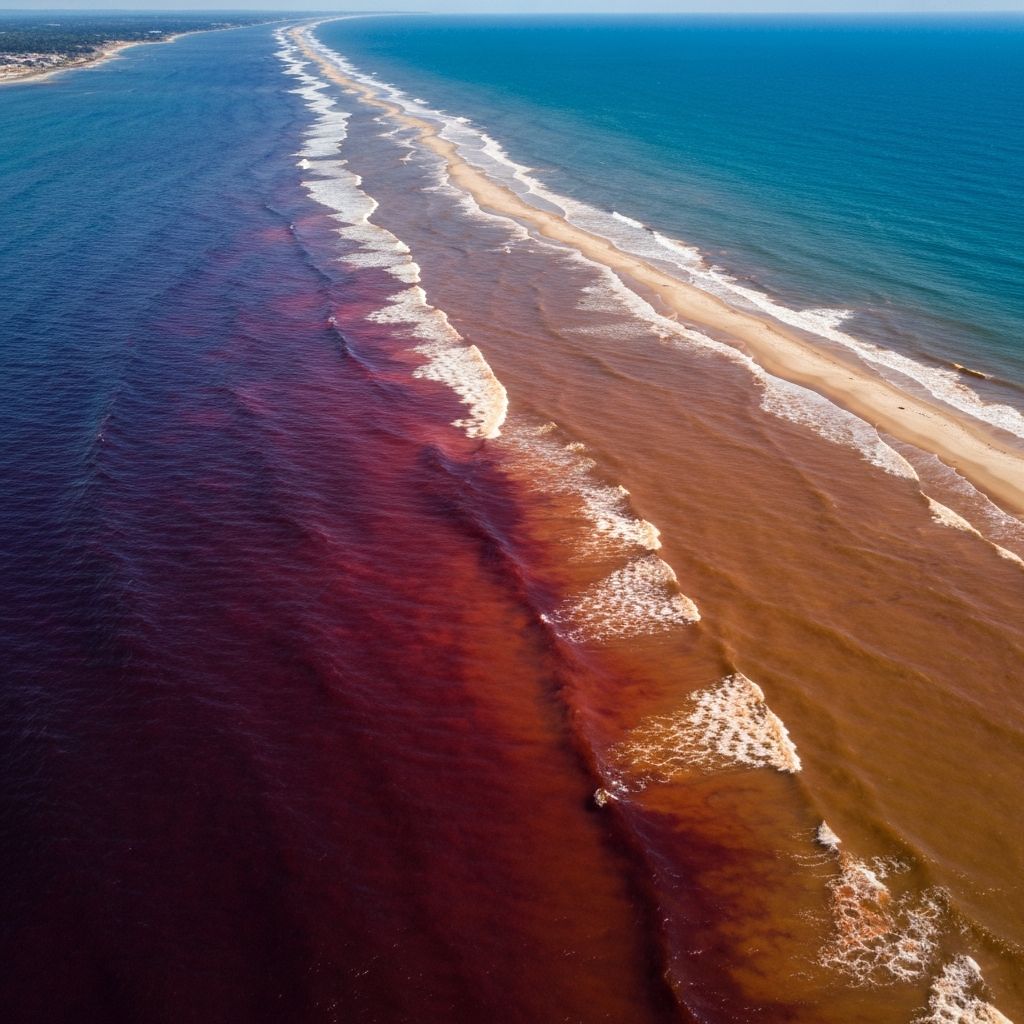
Understanding harmful algal blooms of Alexandrium catenella, their impacts on marine ecosystems and human health, and why they are becoming more common.

A behind-the-scenes look at the research vessel SSV Cramer and its scientific equipment, from CTD instruments to chlorophyll analysis labs.
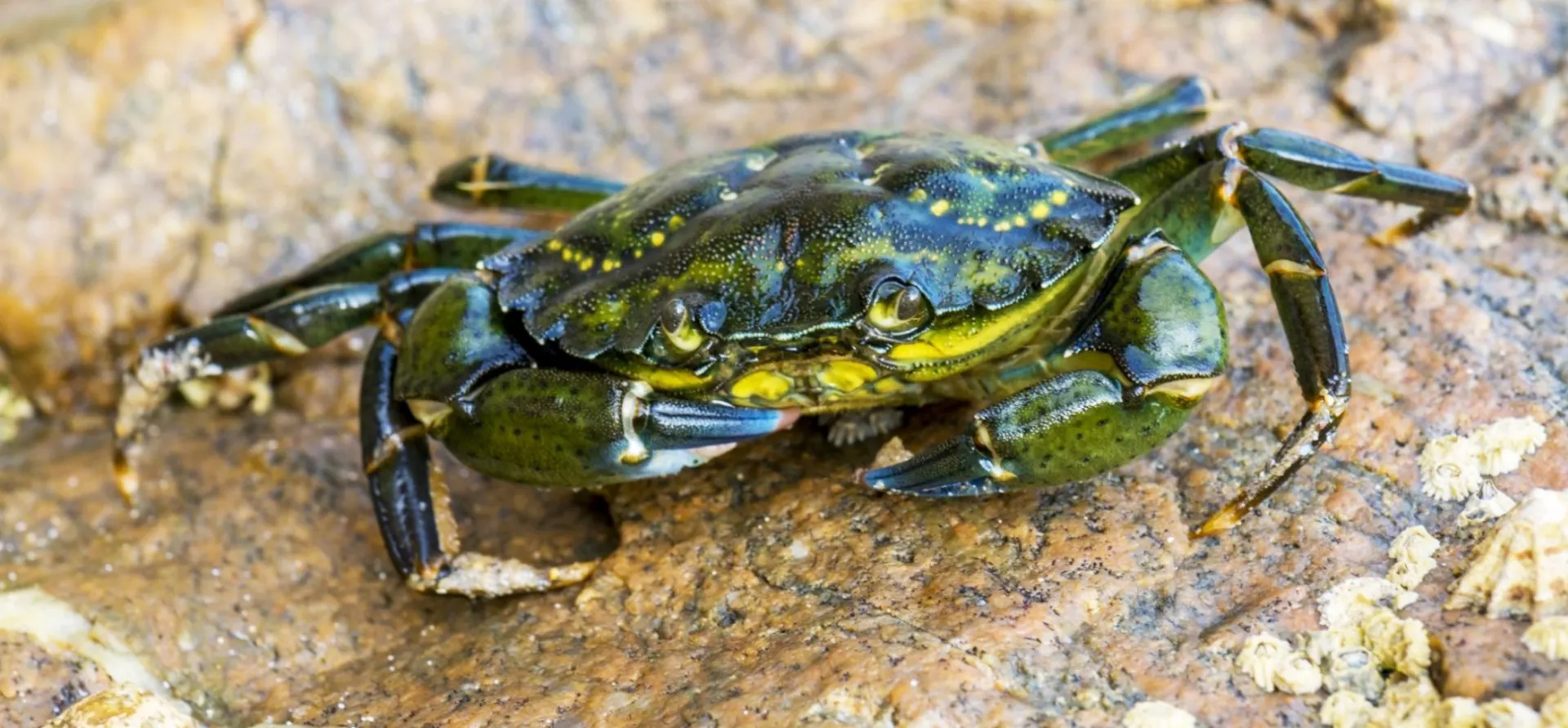
An interview with marine ecologist David Smith about how snails and crabs adapt their shells and claws in response to predators and environmental changes.
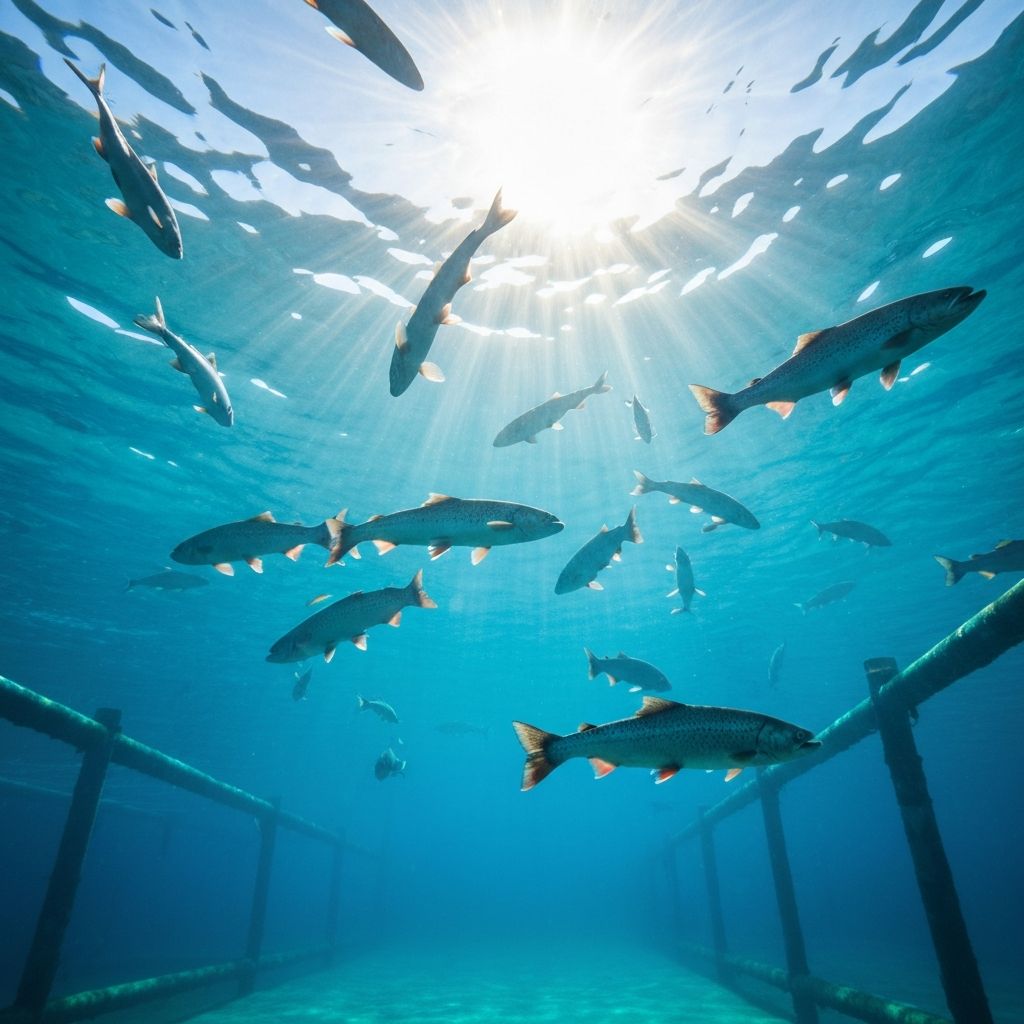
An interview with Dr. Steven Hall about the future of sustainable aquaculture, from fish farming robots to oysters as natural water filters.

An interview with coastal groundwater researcher Dr. James Heiss about saltwater intrusion, the mixing zone, storm impacts, and protecting coastal drinking water supplies.
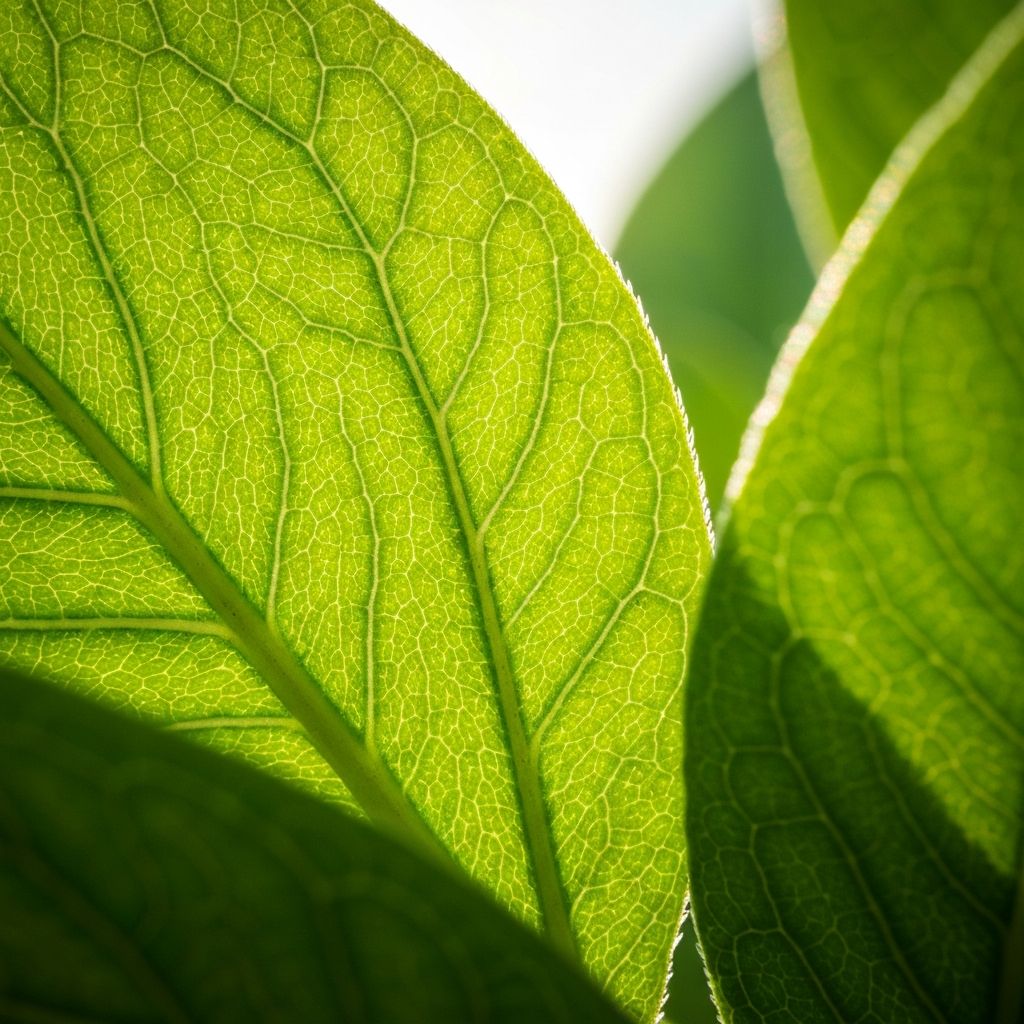
Understanding how photosynthesis works in plants and how cyanobacteria use carbon concentrating mechanisms to efficiently fix CO2.
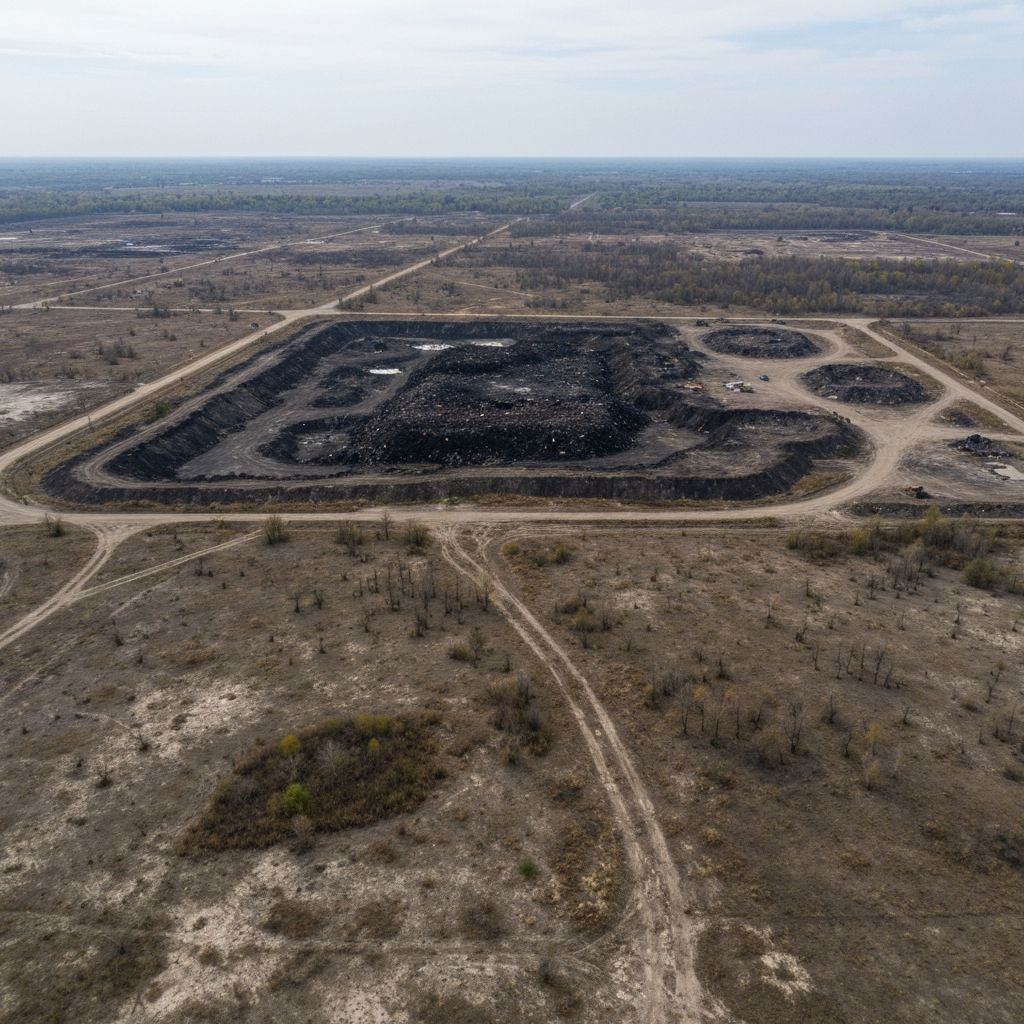
How illegal toxic waste dumping by a Swedish mining company devastated a Chilean city, and the bioremediation solutions that could help restore the contaminated land.
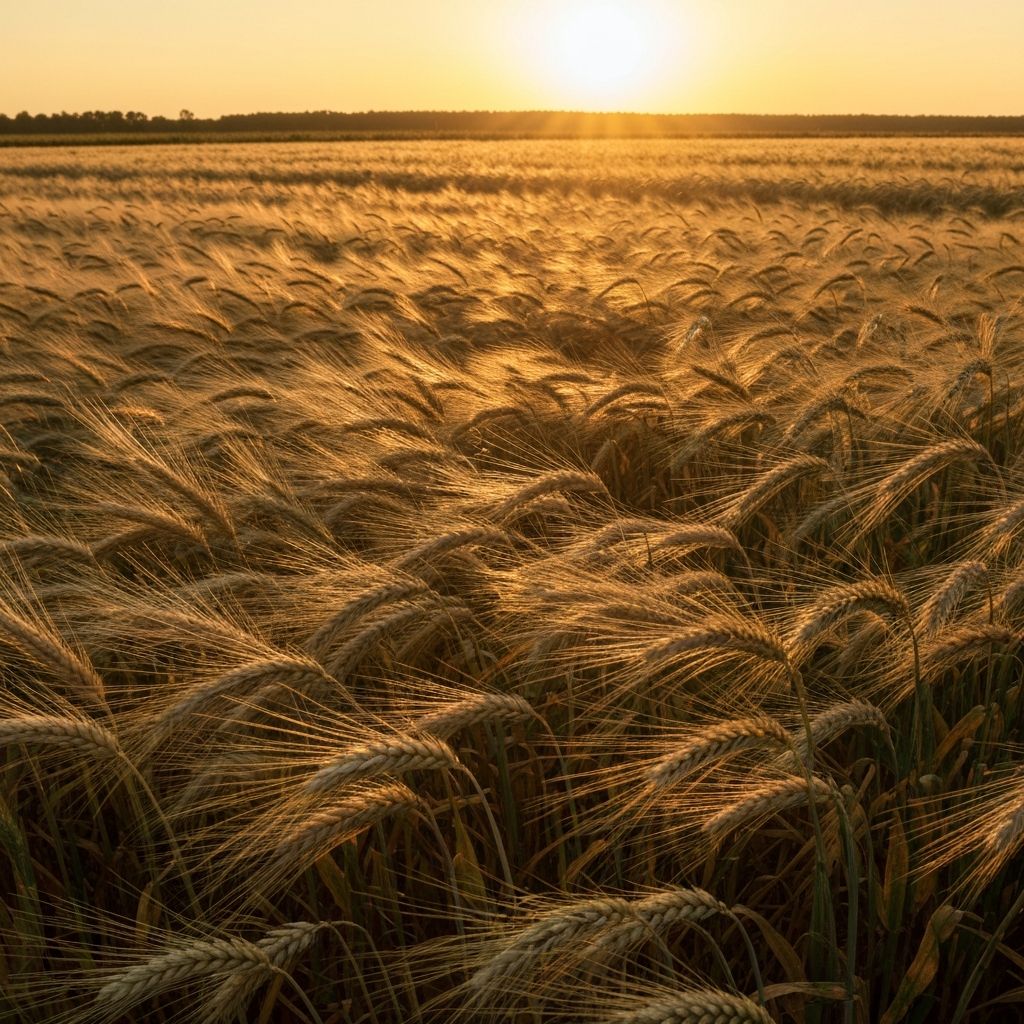
Exploring how biofuels offer a carbon-neutral energy alternative, with innovations in feedstock, job creation potential, and decreasing costs making them increasingly viable.
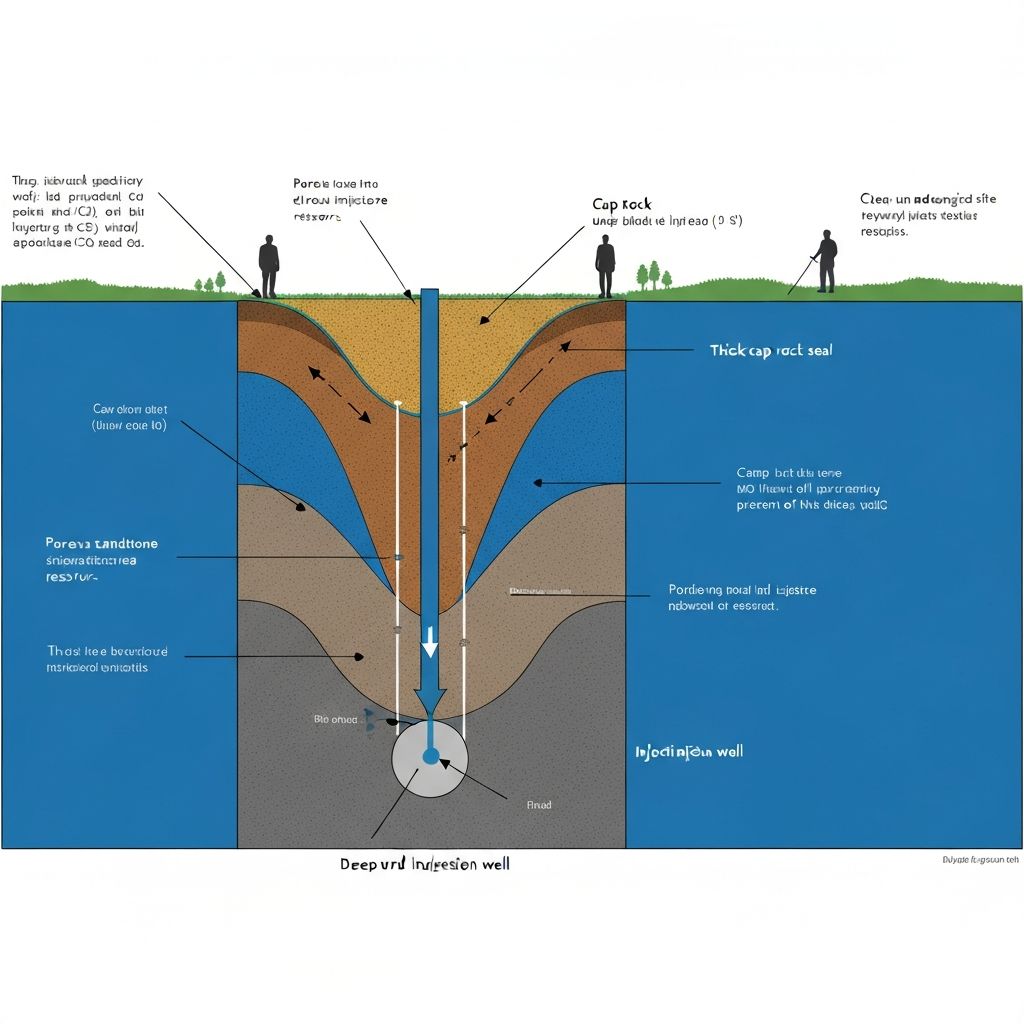
Learn about the various CO2 storage methods including structural trapping, residual trapping, solubility trapping, and mineralization that keep captured carbon safely underground.
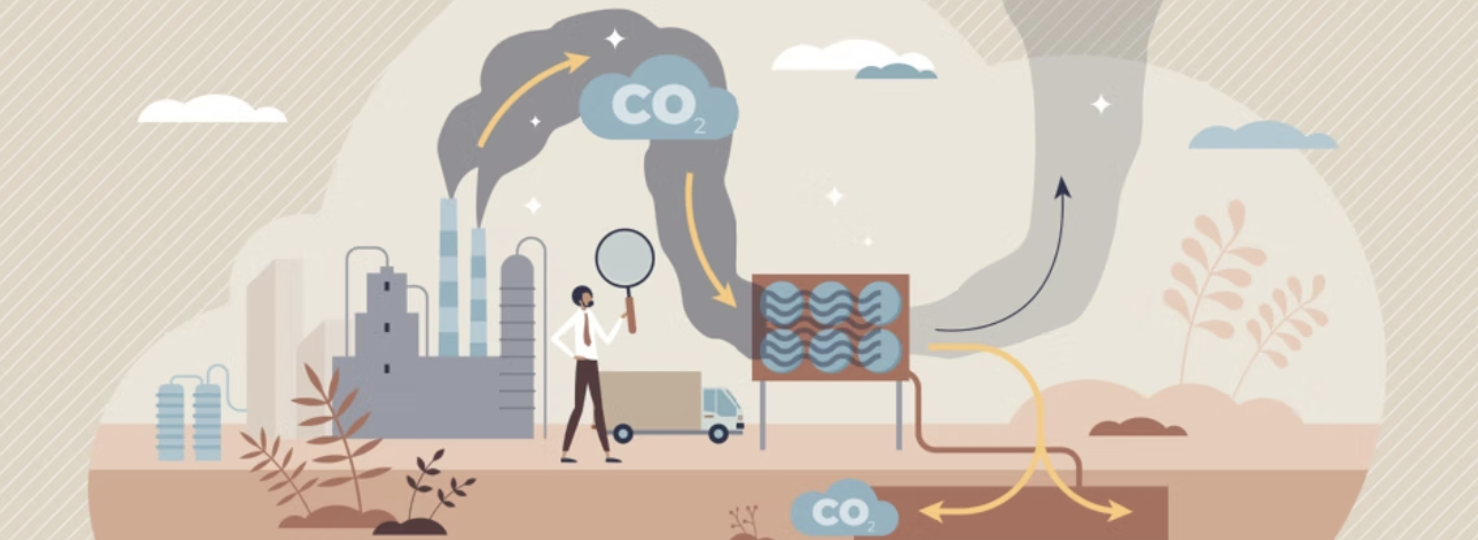
An overview of different CO2 separation methods including chemical absorption, physical adsorption, membrane filtration, and cryogenic methods that are vital for reducing emissions.
LESC researchers combine sodium ions, solid-state electrolytes, and anode-free design to create a groundbreaking eco-friendly battery that could transform renewable energy storage.
New research reveals that groundwater levels have dropped in 71% of aquifers worldwide, highlighting the urgent need for conservation and policy intervention.

Astrophysicist Merav Opher's groundbreaking research reveals how the solar system passing through interstellar clouds 2 million years ago may have exposed Earth to cosmic radiation.
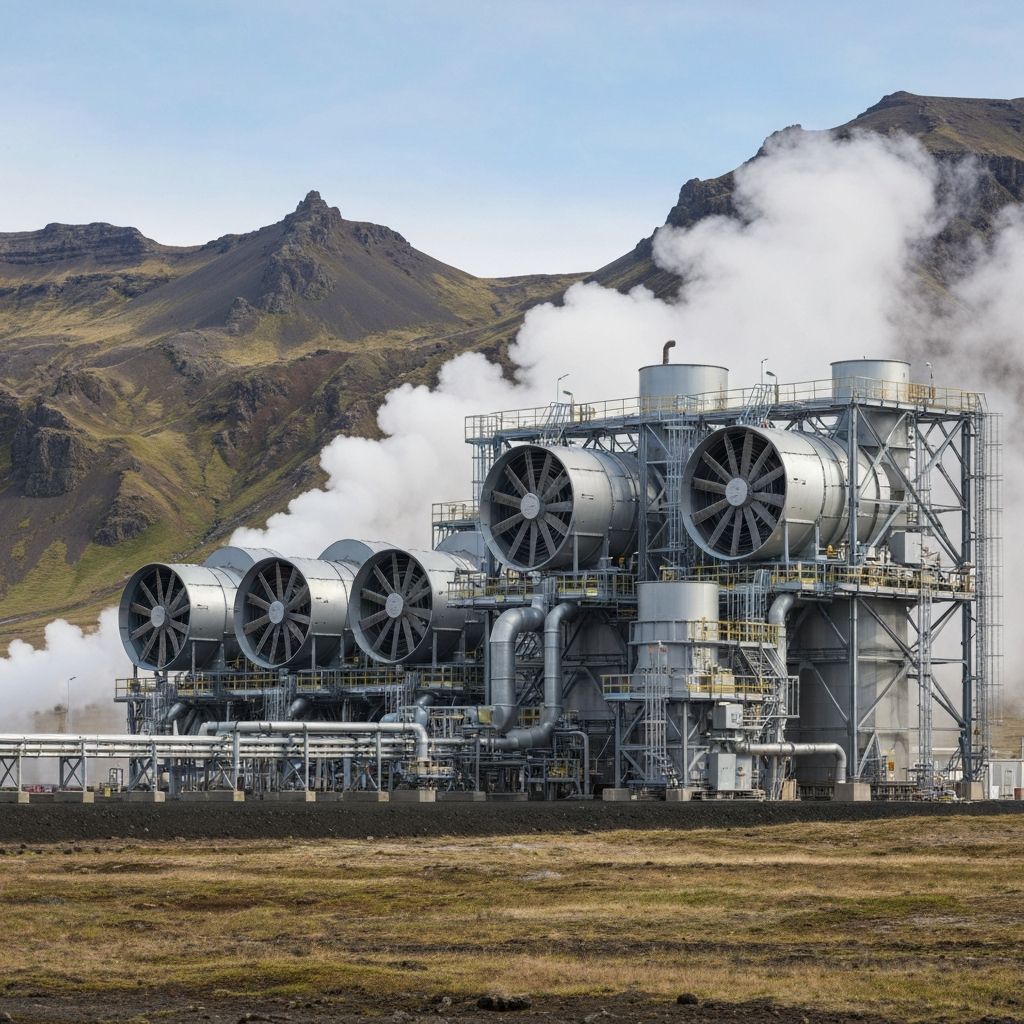
Iceland's new Climeworks power plant, the Mammoth, achieves direct air capture at unprecedented scales - removing 36,000 tonnes of carbon yearly.

Satellite data reveals alarming land subsidence across Chinese cities, with 45% of urban areas sinking and 270 million people at risk.
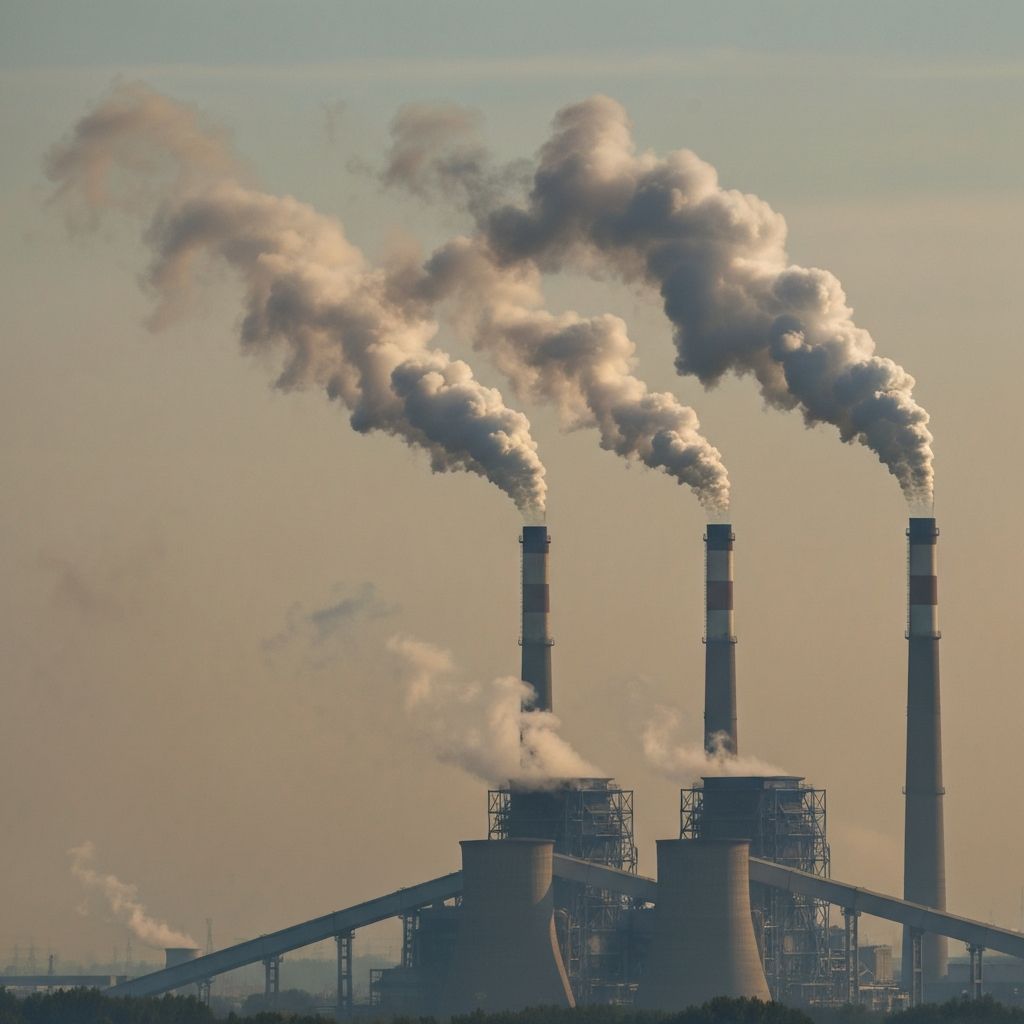
Understanding ozone's dual nature and the EPA's Good Neighbor Policy aimed at controlling cross-border air pollution from power plants.

My experience representing Japan at my first Model United Nations conference, debating UNFCCC action steps and proposing fusion nuclear reactor solutions.

Exploring how researchers at the University of Tokyo developed a robot combining biological muscle tissue with synthetic parts to replicate human walking.
How I participated in the Massachusetts Science and Engineering Fair to formulate a sustainable fertilizer made from eggshells and banana peels.