Music as a Tool for Climate Communication
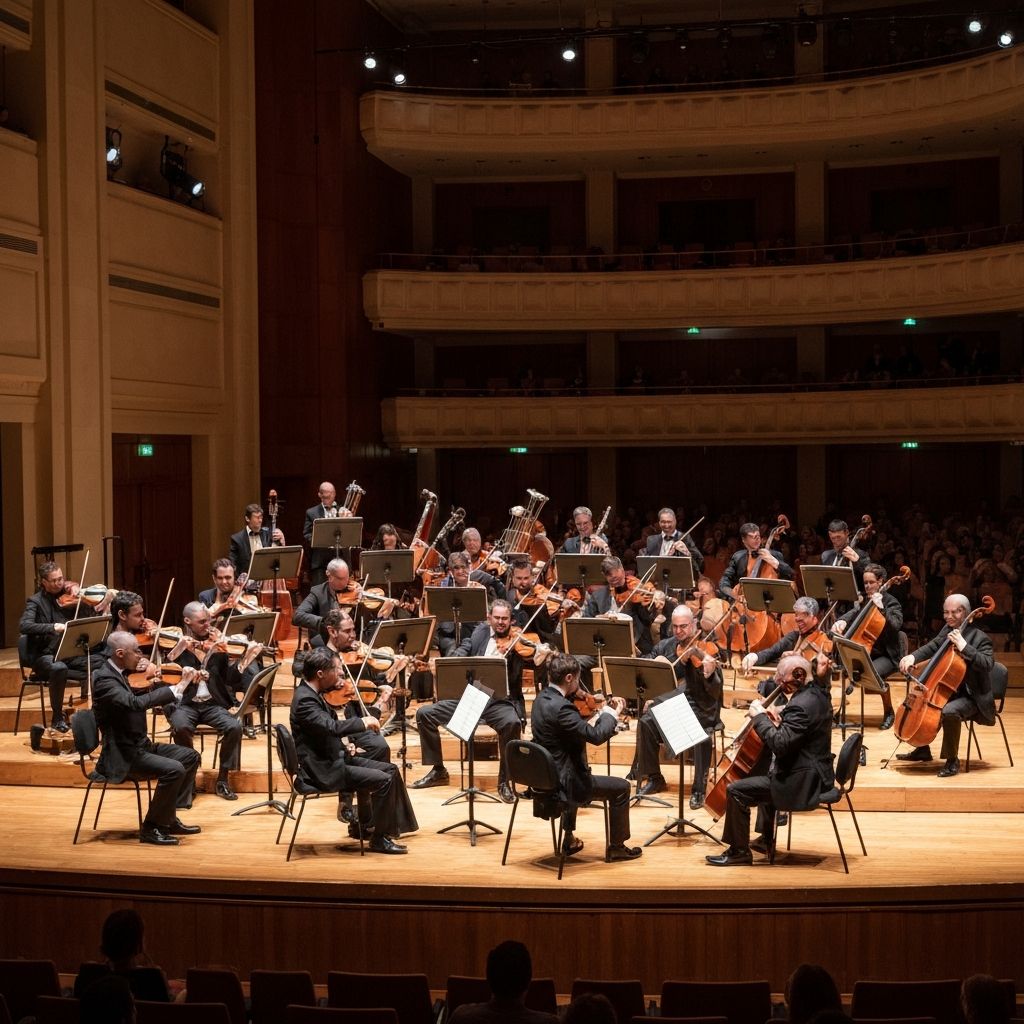
A medical orchestra in North Carolina used research on local opinion to design a concert that connected climate science to health and gave people practical ways to act.
Climate change is usually talked about through charts, reports, and statistics. That information matters, but it does not always change how people feel or what they do. A growing number of groups are experimenting with a different approach. They are using music and art as a way to connect climate science to real people, real emotions, and real communities.
One example comes from a medical orchestra in Durham, North Carolina. Instead of treating a concert as just a performance, they treated it as a chance to start a climate conversation. The orchestra used research on local public opinion to understand how their audience already felt about climate change. What they found was important. Most people in their area already believed climate change was real and were worried about it. That meant the goal was not to convince people that climate change exists. The goal was to show how it connects to health and to give people ways to act.
That shift changes how climate messages are delivered. Instead of focusing on worst case scenarios, the concert focused on how climate change is already affecting health and how individuals and communities can respond. A pulmonologist who plays violin in the orchestra talked about how wildfire smoke affects patients. That made the issue personal and grounded in everyday experience. It also reinforced the idea that climate change is not just an environmental issue but a public health issue.
The music itself was part of the message. The first half of the concert explored heavier emotions like fear and grief. The second half focused on music connected to nature and balance. This structure helped people process difficult information without feeling overwhelmed. It also showed how music can support emotional understanding in a way that a lecture cannot.
What makes this approach different is that it is based on understanding the audience. Instead of assuming people are uninformed or dismissive, the orchestra used data to see that many people were already concerned. That allowed them to design a message that was action focused rather than persuasive. Audience members were invited to make small commitments and connect with local environmental groups. That made climate action feel more social and more practical.
This model suggests something important for climate communication more broadly. Art does not replace science, but it can help translate science into something people can relate to. Music creates shared experiences, and shared experiences can build trust, motivation, and a sense of community. When climate communication is tied to culture, health, and everyday life, it becomes less abstract and more relevant.