The Good Neighbor Provision
Understanding ozone's dual nature and the EPA's Good Neighbor Policy aimed at controlling cross-border air pollution from power plants.
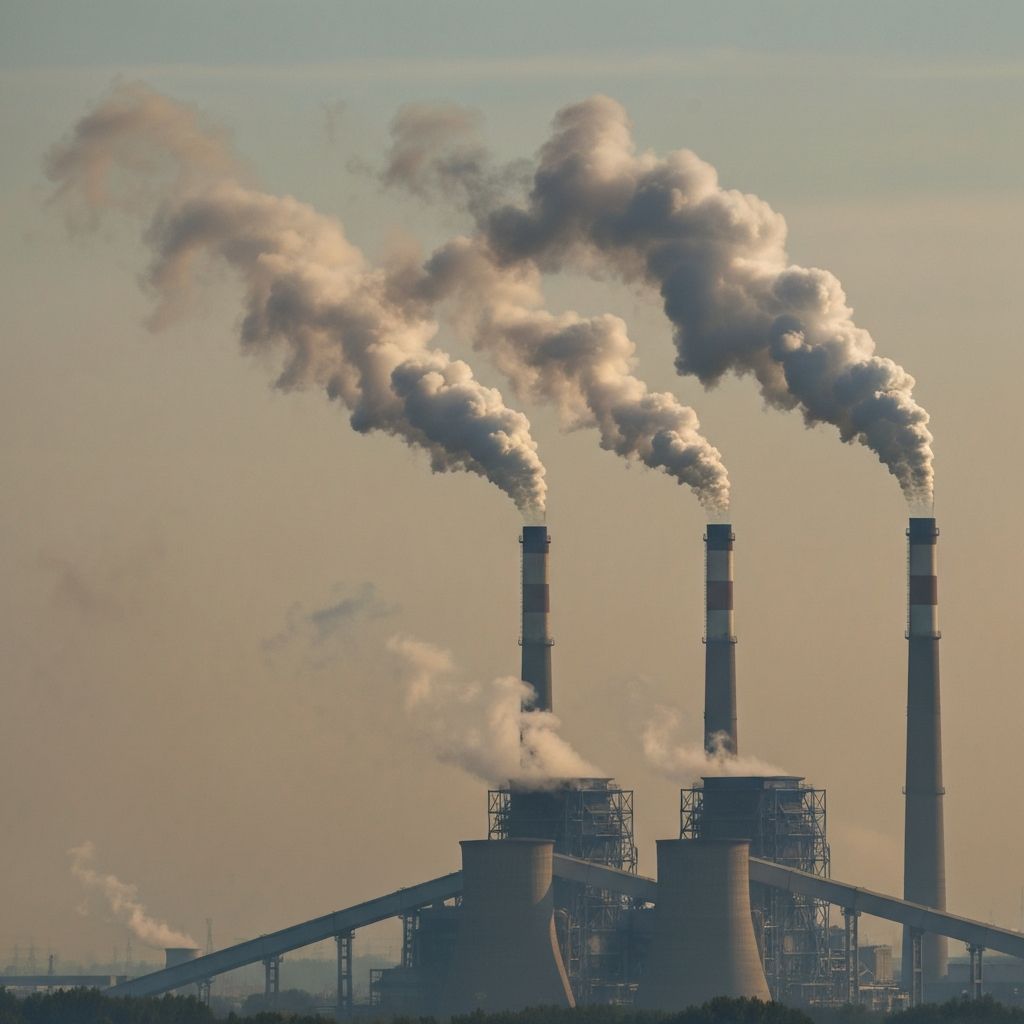
Ozone is a molecule that is both beneficial and harmful to life. At the stratospheric level, ozone takes form as a protective layer, absorbing harmful UV radiation that can cause skin cancer, cataracts, and harm ecosystems. However, at the ground level, ozone is a prime component of smog and is considered a pollutant. Ground-level ozone forms when pollutants from industrial facilities and cars react in the presence of sunlight. Exposure to this compound can result in respiratory issues, asthma, and even an earlier death.
The Good Neighbor Provision under the Clean Air Act, passed by the Environmental Protection Agency (EPA), requires states to control air pollution from sources near their borders that are contributing to unhealthy air in nearby states. Despite nitrogen oxide numbers being 9 percent down in areas that had implemented the Good Neighbor Policy, 3 conservative, dominant energy-producing states turned to higher courts for relief. Conservatives on the Supreme Court seemed ready to block the policy, which would require power plants to install technologies to reduce nitrogen-oxide emissions. Justices also took into account the fact that the original EPA plan included 23 states but now only covers 11 because of separate litigation. Their general view is that the EPA plan is substantially expensive.
Regardless of debates about the EPA program, it is important that we make conscious efforts to prevent further pollution, as nitrogen oxides and ozone threaten public health throughout the nation, particularly after the recent Canadian wildfires. Small actions we can participate in involve carpooling, installing solar panels, and stopping food waste in a powerful grassroots approach.