Feedback Loops in Arctic Sea Ice
What happens at the top of the world is no longer just a response to rising temperatures. It is increasingly shaping how heat, clouds, and chemistry interact across the climate system.
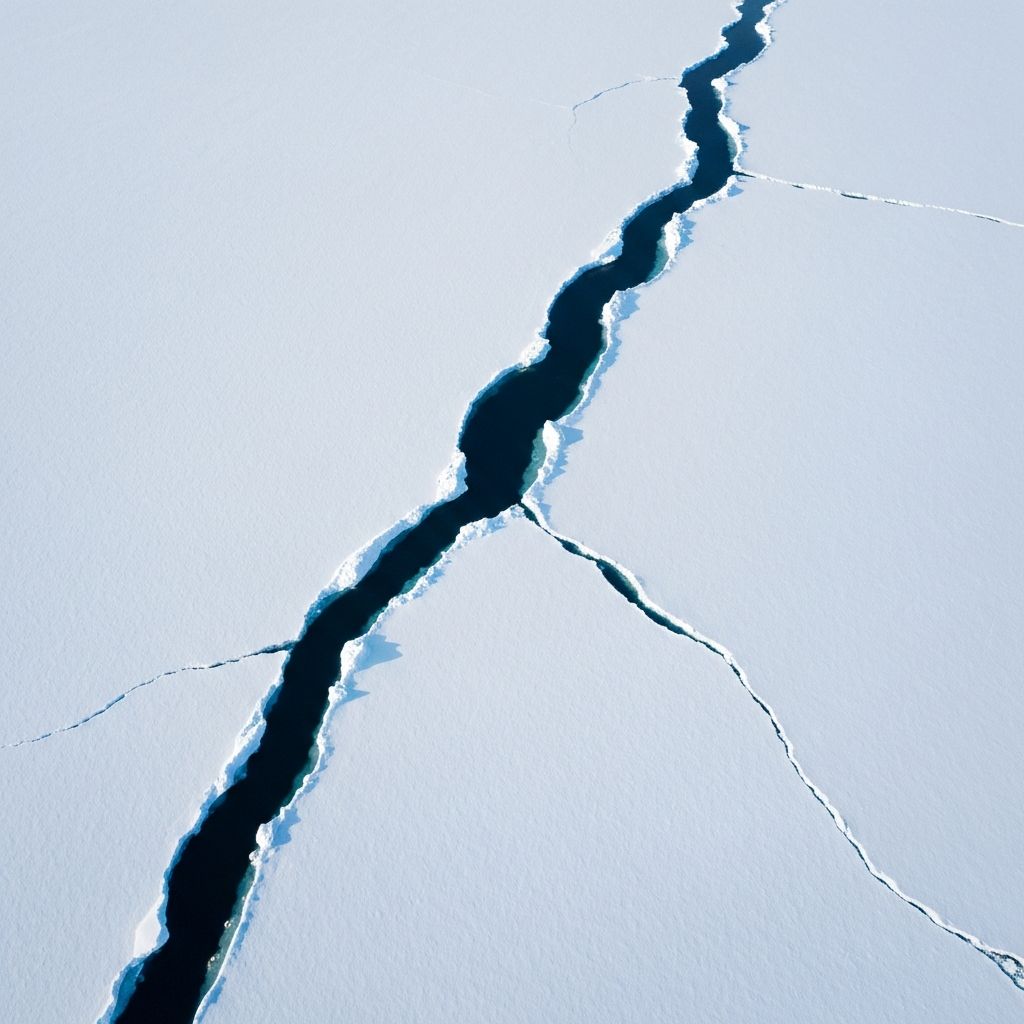
The Arctic is often described as a victim of climate change, but new research shows it is also becoming an important driver of how warming unfolds. What happens at the top of the world is no longer just a response to rising temperatures. It is increasingly shaping how heat, clouds, and chemistry interact across the climate system.
One of the most important findings involves cracks in sea ice, known as leads. When open water is exposed to extremely cold air, heat and moisture rise rapidly into the atmosphere. This process promotes cloud formation and transfers energy from the ocean to the air. These changes influence how much heat is retained in the region and how quickly nearby ice continues to thin and break.
At the same time, human activity is altering the Arctic atmosphere in ways that interact with these natural processes. Emissions from oil and gas operations change the chemical makeup of the lower atmosphere. These pollutants can react with salty snow and sea spray to form highly reactive compounds. Some of these reactions reduce ozone near the surface, allowing more sunlight to reach the ground and snow. Increased sunlight can slightly enhance surface warming and further affect ice conditions.
What makes this research especially useful is that it highlights how multiple factors operate together. Ice conditions, cloud formation, atmospheric chemistry, and industrial emissions are not separate issues. They are linked through physical and chemical processes that influence energy flow in the Arctic environment. Understanding these connections helps scientists improve climate models and better represent how polar regions respond to both natural variability and human activity.
Rather than pointing to a single cause, this work emphasizes the complexity of Arctic climate dynamics. By measuring how heat, moisture, and chemical reactions move through the system, researchers can better estimate how changes in sea ice and air pollution affect regional and global climate patterns. These kinds of studies provide more detailed information for forecasting future conditions and for refining predictions about how polar regions will continue to evolve.